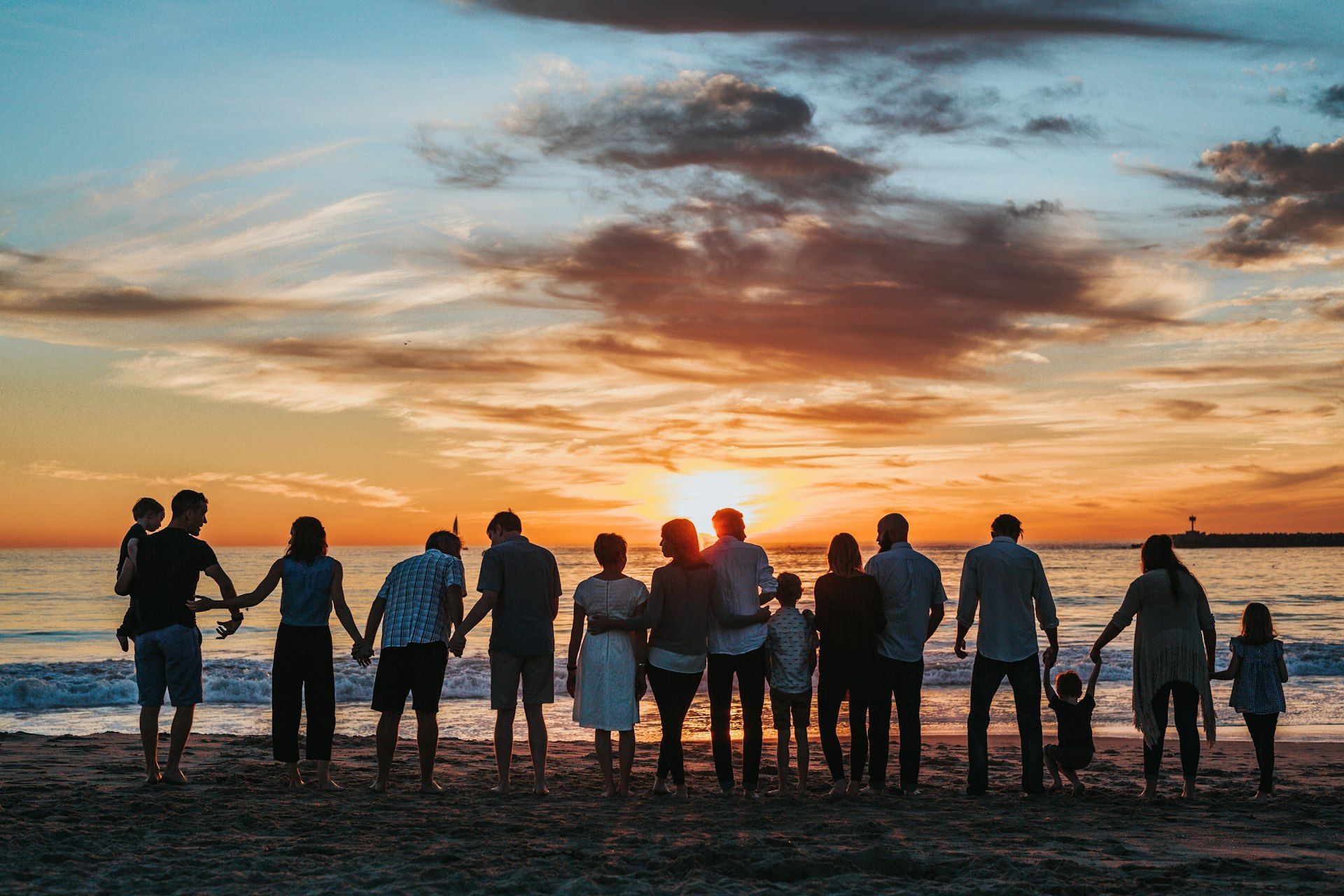
Somewhere in the last decade, the corporate offsite went from a nice perk to a strategic necessity. Remote and hybrid work delivered extraordinary gains in flexibility and focus time, but it created a deficit that Zoom calls cannot fill: the kind of trust and cohesion that only forms when people share physical experiences together.
The companies that figured this out early — the ones that invested in thoughtful team travel rather than cutting it as a line item — are the ones with the strongest cultures, the lowest attrition, and the highest employee engagement scores. This is not a coincidence.
But there is a wide gap between “let’s do an offsite” and an offsite that actually delivers. I have seen both ends of the spectrum: the transformative week in Costa Rica that a team still references in meetings two years later, and the disorganized long weekend in a mediocre hotel that left everyone quietly updating their LinkedIn profiles on the flight home.
The difference is always planning.
The ROI Is Real
Let us address the budget conversation first, because it is the conversation that kills most offsite proposals before they start.
A well-planned corporate offsite for 20 people costs between $40,000 and $120,000 depending on destination, duration, and accommodation level. That is a significant number. But consider what it buys:
Retention. Replacing a mid-level tech employee costs 50-200% of their annual salary when you factor in recruiting, onboarding, lost productivity, and institutional knowledge. If an annual offsite retains even two employees who would have otherwise left, it has paid for itself multiple times over.
Alignment. Strategy sessions conducted in person produce better outcomes than their virtual equivalents. The informal conversations that happen over dinner, during a hike, or at the hotel bar are where the real alignment occurs — where the VP of Engineering and the VP of Product actually understand each other’s constraints instead of debating them in a Google Doc.
Speed. Teams that have spent physical time together communicate more efficiently when they return to remote work. The shorthand improves. The trust threshold lowers. Decisions that took three meetings now take one Slack thread.
Recruiting. “We do an annual team trip to Portugal” is a more compelling recruiting pitch than a $5,000 increase in base salary. In a competitive hiring market, culture differentiators matter, and an offsite program is one of the most visible.
Three Types of Offsites That Work
Not every offsite needs to be a week in Bali. The right format depends on your team size, your objectives, and your culture.
The Adventure Retreat
Best for: Teams under 30 people, companies with active cultures, teams that need to build trust fast (post-merger, new teams, cross-functional groups).
What it looks like: 4-5 days in a destination that offers shared physical challenges. Think whitewater rafting in Costa Rica, hiking in the Dolomites, or a multi-day sailing trip in Croatia. The shared experience of navigating something unfamiliar together creates bonds that years of Slack messages cannot replicate.
The key: The activities should be challenging but inclusive. Forcing your design team through a Navy SEAL obstacle course is not team building — it is an HR incident. Choose experiences that push comfort zones without excluding anyone based on fitness level. A guided glacier hike in Iceland is exhilarating for the athletic and achievable for the cautious. A cooking class in Oaxaca is engaging for everyone.
Why it works: Psychologists call it “shared adversity bonding.” When people accomplish something difficult together, they form trust at an accelerated rate. This is not corporate theory — it is the same principle that makes military units cohesive.
The Cultural Immersion
Best for: Teams over 20, internationally distributed teams, companies that value learning and creativity.
What it looks like: 5-7 days in a culturally rich destination with a structured program of local experiences. A week in Kyoto with tea ceremony workshops, temple visits, and meetings with local entrepreneurs. A Lisbon itinerary with fado performances, street art tours, and port wine tastings in the Douro Valley.
The key: Balance structure with free time. Overscheduled offsites feel like work with better scenery. The magic happens in the unstructured hours when small groups wander off to explore on their own and come back with stories.
Why it works: Novel environments stimulate creative thinking. Getting people out of their routine context — literally placing them in a foreign culture — opens cognitive pathways that produce better ideas than a brainstorm in Conference Room B ever could.
The Wellness Reset
Best for: Teams experiencing burnout, post-launch recovery, leadership teams, companies that emphasize work-life balance.
What it looks like: 3-5 days at a destination resort or wellness retreat with a mix of relaxation and light group activities. A resort in Sedona with yoga, spa treatments, guided nature walks, and one or two strategy sessions in the morning. A beach property in Tulum with surfing lessons, cenote swimming, and long meals.
The key: Resist the urge to fill the schedule with work sessions. If your team is burned out, the most productive thing you can do is let them rest. One focused 90-minute strategy session per day, held in the morning, is more effective than six hours of meetings that nobody has the energy to absorb.
Why it works: Rest is not the absence of productivity — it is the precondition for it. Teams that return from a wellness-focused offsite consistently report higher engagement and output in the following quarter.
The Planning Timeline
Corporate offsites fail most often because of insufficient lead time. Here is a realistic timeline for a 20-person team trip:
6 months out:
- Define objectives (team building, strategy, celebration, or combination)
- Set budget and get executive approval
- Choose destination and dates
- Begin vendor negotiations for hotels, activities, and group dining
4 months out:
- Confirm all bookings
- Collect dietary restrictions, accessibility needs, and travel preferences from attendees
- Book group flights or provide booking guidelines
- Design the itinerary with structured and unstructured time
2 months out:
- Share detailed itinerary with the team
- Arrange ground transportation (airport transfers, activity transport)
- Confirm special requests (birthday celebrations, dietary accommodations, room assignments)
- Brief team leads on any strategy session prep work
2 weeks out:
- Final headcount confirmation
- Share a packing guide appropriate to the destination
- Distribute emergency contacts and travel insurance information
- Set up a dedicated communication channel for trip logistics
During the trip:
- Have a point person (internal or external) managing logistics in real time
- Build in buffer time for weather changes, travel delays, and spontaneous opportunities
- Capture photos and video for internal culture content
- Collect informal feedback throughout
Budget Frameworks
Transparent budgeting prevents the most common source of offsite stress: the slow realization that costs are spiraling beyond what was approved.
Per-person daily budget ranges for a quality offsite:
- Domestic (US): $300-600/person/day (accommodation, meals, activities, transport)
- Europe: $400-800/person/day
- Latin America/Southeast Asia: $200-500/person/day
- Premium/luxury: $800-1,500/person/day
These ranges include accommodation, meals, group activities, local transportation, and incidentals. They do not include flights, which vary too widely to generalize.
Budget tip: Allocate 10-15% of the total budget as a contingency fund. Something will change — a restaurant will close, weather will force an activity swap, someone will need a last-minute room change. Having a buffer prevents these normal adjustments from becoming crises.
How Slack Connect Simplifies Everything
Here is where I will make a brief case for how we work at Travel Tamers, because it is directly relevant to the offsite planning problem.
The biggest friction in corporate travel planning is coordination. Someone in People Ops is emailing a travel agent, forwarding responses to the CEO for approval, copying Finance on budget questions, and pasting updates into a Slack channel for the team. The information lives in four places and is current in none of them.
We operate as a Slack Connect channel inside your workspace. Your People Ops lead messages us directly. The CEO can read the thread. Finance can see the budget in real time. The team gets updates in the same place they get everything else. One channel, one source of truth, zero context switching.
For a 20-person offsite, this typically reduces the planning coordination overhead by 60-70%. The decisions happen faster because the right people can see the options and weigh in without an email chain that takes three days to resolve.
The Trip They Will Talk About
The best corporate offsite is not the most expensive one. It is the most intentional one. A $50,000 trip with clear objectives, a thoughtful itinerary, and genuine downtime will outperform a $150,000 trip that is overscheduled, poorly communicated, and planned three weeks before departure.
Start with why you are going. Design the experience around that purpose. Give people room to breathe. And trust that the informal moments — the conversations at dinner, the shared laughter on a hike, the quiet morning coffee on a terrace overlooking a city neither of you has visited before — are where the real value is created.
Your team deserves a trip worth talking about. Plan accordingly.