Expedition
Amazon River
The planet's greatest rainforest, explored from the water that feeds it.
The River That Dwarfs Everything
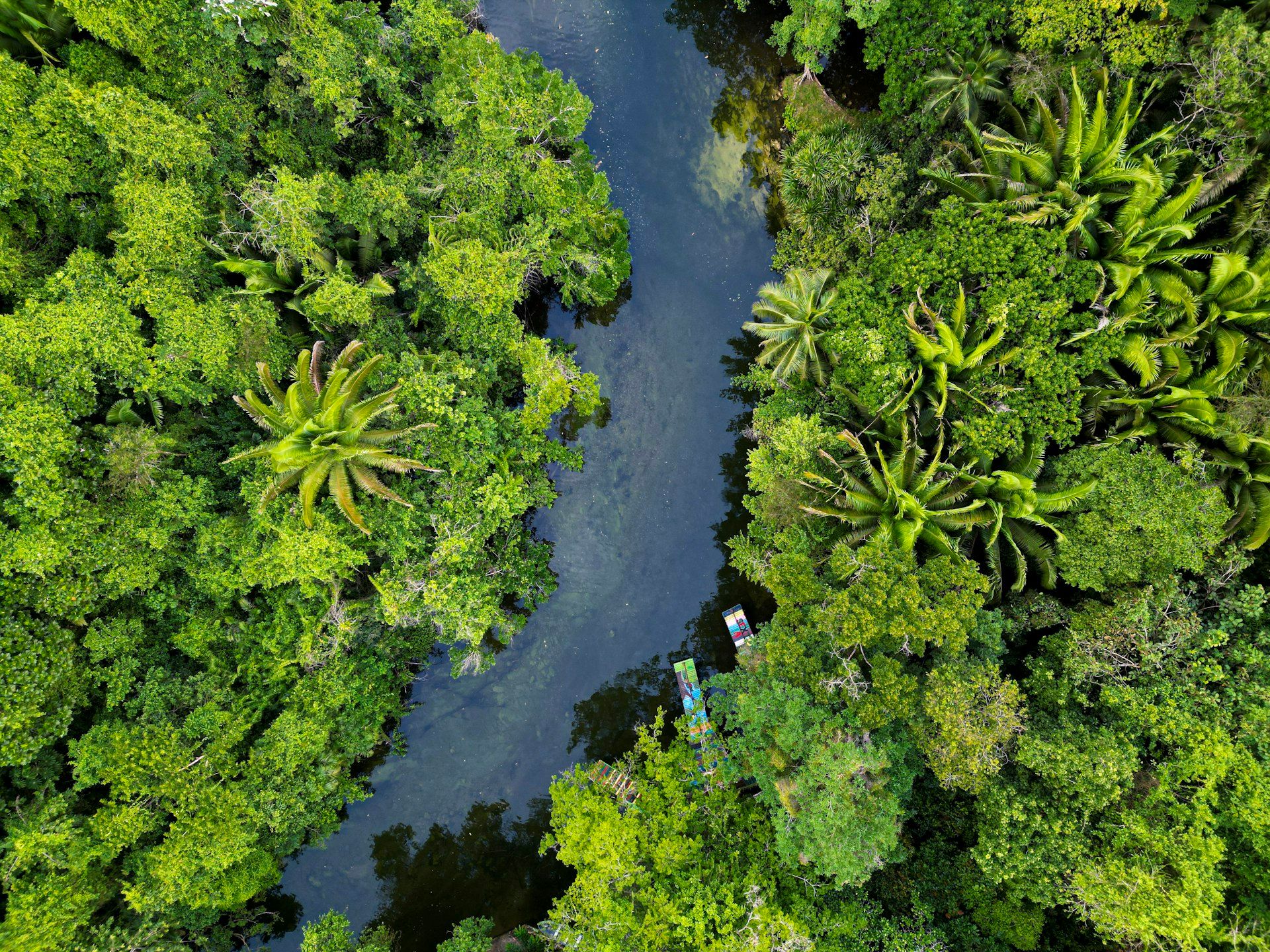
The Amazon carries more water than the next seven largest rivers combined. Its basin covers 2.7 million square miles across nine countries, and its rainforest produces roughly 20 percent of the world’s oxygen. These aren’t travel brochure superlatives — they’re measurable facts that become visceral when you’re cruising through them on a small expedition ship, watching pink river dolphins surface off the bow while howler monkeys scream from the canopy overhead.
I recommend the Amazon to clients who’ve done the standard luxury circuit and want something that genuinely shakes them. This isn’t a place you visit passively. It gets under your skin.
How You’ll Travel
Amazon cruises operate fundamentally differently from ocean voyages. The ships are smaller — typically 30 to 150 passengers — purpose-built for river navigation with shallow drafts that can access tributaries and flooded forest channels. Every day includes excursions by skiff, kayak, or on foot. You’ll be off the ship more than you’re on it.
The best itineraries depart from Manaus, Brazil, or Iquitos, Peru. From Manaus, you’ll witness the Meeting of the Waters — where the black Rio Negro and the tan Solimoes flow side by side for six miles without mixing, a phenomenon that still startles even when you know it’s coming. From Iquitos, you’re deeper into the Peruvian Amazon, where the tributaries narrow and the wildlife density increases dramatically.
National Geographic Expeditions runs some of the finest Amazon programs available — their naturalist teams include researchers who’ve published in the journals you’d expect. Silversea pairs expedition credibility with the most refined onboard experience in the region. Both offer the kind of expert-led immersion that transforms a river trip into a genuine education.
What You’ll See
The biodiversity is staggering: over 40,000 plant species, 1,300 bird species, 3,000 types of fish, and more insect species than scientists have managed to catalog. Expect scarlet macaws, three-toed sloths, pink river dolphins, giant river otters, and black caimans. Night excursions — spotlight-scanning the riverbanks from a skiff — reveal an entirely different ecosystem: tarantulas, tree frogs, caiman eyes glowing red in the beam, and the sounds of the forest at full volume.
The guides know where to look, and sightings happen daily. Piranha fishing is a standard activity (they’re smaller and less dramatic than the movies suggest, but catching one is a story everyone tells). Jungle treks with naturalists who can identify 50 species of tree in a single hectare make you realize how little you knew about forests.
High Water vs. Low Water
The Amazon’s flood cycle creates two entirely different experiences. High water (December through May) means you can kayak through the forest canopy — literally paddling between treetops — and access deep tributaries that are mud banks the rest of the year. Low water (June through November) exposes beaches, concentrates wildlife around shrinking water sources for easier spotting, and makes land-based hiking more accessible. Both seasons are compelling — the choice depends on what matters most to your group.
Why Groups Own This Destination
Small ship capacities make the Amazon ideal for group buyouts. A company of 30 to 40 people can charter an entire vessel, creating a private expedition with customized excursions, onboard programming, and exclusive access to tributaries. I’ve organized Amazon group trips that double as leadership retreats — there’s something about being genuinely remote, with no cell service and no escape from the people you’re with, that strips away pretense fast.
Nat Geo-Lindblad is currently offering $5,000 to $7,500 per person savings on expedition voyages — on a group charter, those numbers add up to a fundamentally different budget conversation. The shared intensity of navigating the world’s largest river system creates bonds that conference rooms never will.
When to Go
June through November is the dry season — lower water levels, concentrated wildlife, more hiking opportunities, and generally clearer skies. September and October hit the sweet spot of low water and manageable temperatures. December through May brings the flood season and canopy kayaking. I lean toward dry season for first-timers, but there’s no wrong answer here.
Highlights
Ready to explore Amazon River?
Open a channel and tell us what you are looking for. We will build a custom itinerary.
Open a Channel