Safari
East Africa
The Great Migration, the Big Five, and sunsets that turn the Serengeti into liquid gold.
Where the Word Safari Was Invented
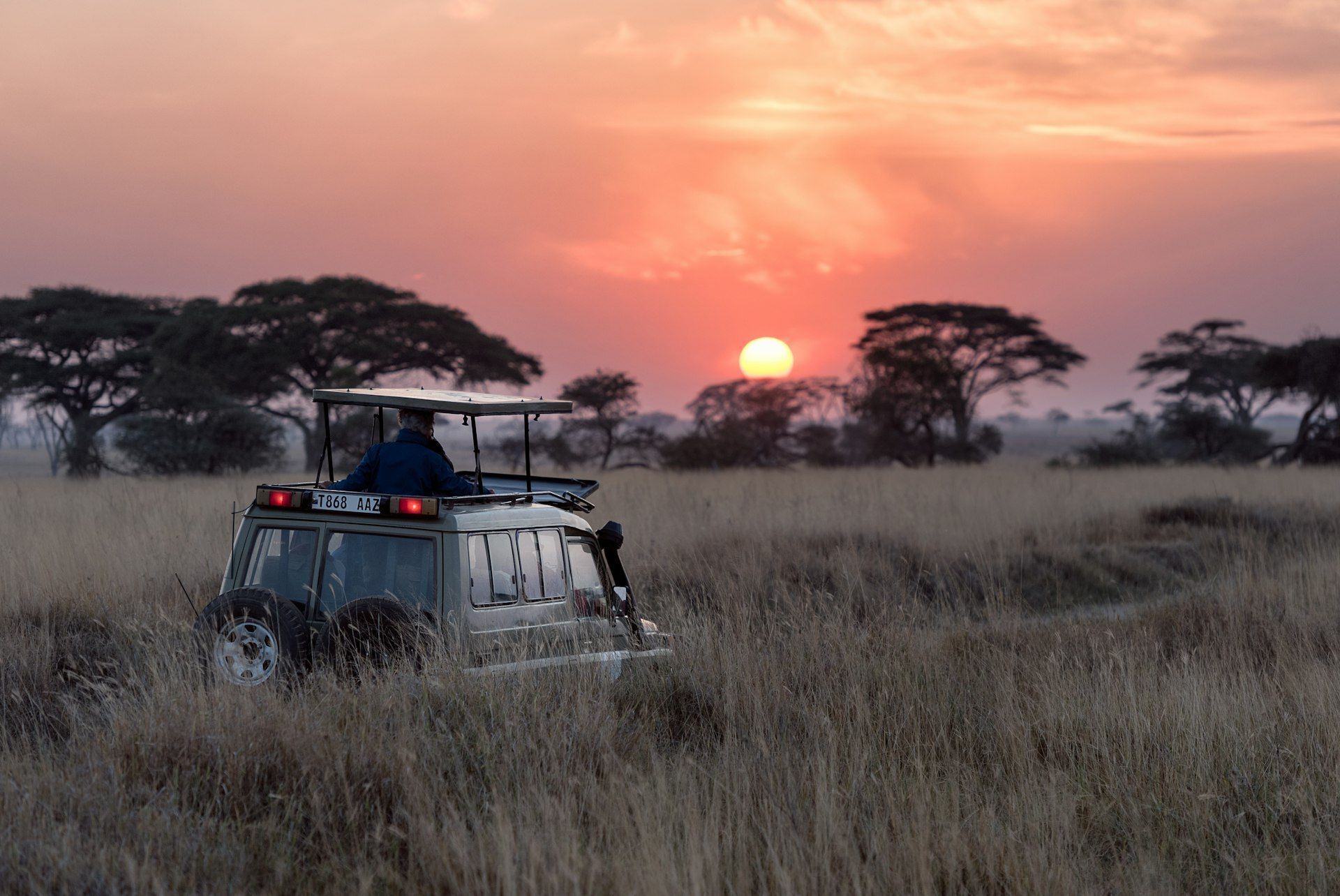
East Africa is where it all started, and for good reason. The Serengeti-Mara ecosystem hosts the largest animal migration on earth — over two million wildebeest, zebra, and gazelle moving in an ancient loop across Tanzania and Kenya, following the rains, pursued by predators. Watching a river crossing from a Land Cruiser — thousands of wildebeest plunging into crocodile-filled water while your heart hammers in your chest — is one of the most raw, extraordinary things a human being can witness.
I don’t oversell destinations. But East Africa genuinely delivers on every promise. The wildlife is there. The landscapes are there. And the safari infrastructure in Kenya and Tanzania has matured to a point where the comfort level is extraordinary without diminishing the wildness.
The Safari Experience: Not What You Think
Modern East African safaris bear no resemblance to their colonial predecessors. Today’s luxury tented camps combine genuine wilderness immersion with comfort that surprises everyone. At properties like Singita Grumeti in Tanzania or Angama Mara in Kenya, expect king-sized beds, en-suite bathrooms with rainfall showers, gourmet dining prepared by trained chefs, and sundowner cocktails on the savanna as the sky turns from gold to violet. All without a permanent structure in sight — these camps tread lightly on the land by design.
Game drives happen twice daily — early morning when the predators are active, and late afternoon through sunset when the light is extraordinary. Between drives, you’ll have time for bush walks with Maasai trackers who read animal tracks the way you read code, afternoon swims in plunge pools overlooking the plains, or simply sitting on your tent’s veranda watching giraffes browse acacia trees 50 yards away.
Multi-Country Itineraries
The best East Africa trips combine two or three countries, each adding a distinct dimension. My standard recommendation:
Kenya’s Masai Mara for the Great Migration river crossings (July through October) and the highest concentration of big cats in Africa. Tanzania’s Serengeti for the vast landscape — the southern plains during calving season (January-February) are carpeted with 500,000 newborn wildebeest, and the predator action is intense. Rwanda’s Volcanoes National Park for mountain gorilla trekking — sitting three meters from a silverback gorilla in a bamboo forest at 10,000 feet elevation is a life-altering hour.
Add Zanzibar for a beach decompression — Stone Town’s spice markets and the white sand beaches of the east coast are the perfect counterpoint to a week on safari.
Our Preferred Partners
Ntaba African Safaris specializes in exactly the kind of bespoke, luxury safari itineraries our clients expect — they’re offering their most exclusive experiences for 2026-2027, including honeymoon safaris, family adventures, and specialty trips like gorilla trekking and river safaris. Every itinerary is custom-built, which means I can design a trip around your group’s specific interests rather than slotting you into a fixed departure.
G Adventures offers a different approach — their Geluxe tier runs small-group departures with luxury accommodations at 10% off select trips. For groups that want structure without losing the premium experience, it’s a strong option.
Kensington Tours builds private guided safaris with the kind of flexibility that tech executives appreciate — your vehicle, your guide, your schedule. No waiting for 16 other people to find their cameras.
Why Safari Bonds Teams
Safari is inherently social in a way that few other travel experiences match. Game drives accommodate four to six people per vehicle, creating small-group bonding over shared adrenaline. Communal dining around campfires under the Milky Way — visible in a way that’s impossible in the Northern Hemisphere — generates the kind of conversations that never happen in an office. And the shared experience of watching a cheetah hunt or a river crossing becomes part of a team’s permanent story.
I’ve sent multiple tech teams on East Africa safaris as leadership retreats. The combination of genuine adventure, digital disconnection (most camps have limited WiFi by design), and the humbling scale of the natural world creates a reset that no conference room can replicate.
When to Go
June through October is the dry season and peak safari time — clear skies, thin vegetation for easier wildlife spotting, and the Great Migration crossing the Mara River. July through October is specifically when the crossings happen. January and February offer calving season in the southern Serengeti — equally spectacular, far less crowded, and dramatically more affordable. I favor late September for groups who want both the migration and manageable pricing.
Highlights
Ready to explore East Africa?
Open a channel and tell us what you are looking for. We will build a custom itinerary.
Open a Channel