Expedition
Galapagos
Walk among creatures that have never learned to fear humans, on islands that rewrote our understanding of life.
Darwin’s Laboratory, Your Classroom
The Galapagos Islands exist outside normal rules. Animals here evolved without land predators, which means they have zero fear of humans. You’ll step off a Zodiac onto a beach where sea lions nap two feet from the trail and marine iguanas soak up the sun like house cats. Blue-footed boobies perform their mating dance — a high-stepping, sky-pointing display — while you stand close enough to see the color of their eyes. It’s surreal, humbling, and unlike any other wildlife experience on earth.
I recommend the Galapagos to clients who think they’ve seen everything. It’s the one destination that consistently humbles people who’ve been to 50 countries. The animals don’t care that you’re there, and that indifference — that reminder of your irrelevance in the natural order — is strangely powerful.
The Expedition Format
The Galapagos are strictly regulated by the Ecuadorian National Park Service to protect the ecosystem. Only small expedition ships are permitted, with mandatory certified naturalist guides accompanying every group. Visitor sites operate on a rotation system — each island receives a limited number of visitors per day. This works entirely in your favor. There are no crowds, no jostling for position, no souvenir stalls. Just you, your group, the wildlife, and a guide who can identify every species by sound.
Your days follow a rhythm: early morning Zodiac landing on a volcanic island, guided walk among wildlife, return to the ship for breakfast, snorkeling or kayaking in crystal-clear volcanic waters, afternoon landing on a different island, naturalist briefing over dinner. You’ll cover more distinct ecosystems in a week than most people see in a lifetime — from arid cactus forests on Espanola to lush highland scalesia on Santa Cruz.
The Ships That Get It Right
The best Galapagos operators pair genuine expedition credibility with comfortable accommodations and outstanding naturalist programs. Silversea runs their Silver Origin — purpose-built for the Galapagos with all-suite, all-inclusive luxury and a team of naturalists that includes Ecuadorian marine biologists and ornithologists. Currently offering up to $7,000 savings plus $1,000 shipboard credit.
National Geographic Expeditions with Lindblad is the gold standard for naturalist interpretation — Nat Geo photographers sail on every departure, and their underwater specialists lead snorkeling excursions that feel like a nature documentary you’re starring in. They’re offering $5,000 to $7,500 per person savings on expeditions right now, which on an $8,500+ base fare is transformative.
Hurtigruten brings their expedition expertise to the islands with a science-first approach and hybrid-powered vessels. The smaller operators — 16 to 50 passenger yachts — offer the most intimate experience and are ideal for private group charters.
Why Groups Own This Experience
The Galapagos is one of those destinations that creates a shared experience so powerful it becomes part of a team’s identity. The combination of genuine adventure, scientific wonder, and sheer beauty bonds people in ways that a hotel conference room never will. I’ve sent corporate groups here and watched the transformation happen in real time — something about swimming alongside a sea turtle with your colleagues, or watching a volcanic sunset from the ship’s deck as a naturalist explains the geology, breaks down professional barriers.
The small ship format — 50 to 100 passengers — means a group of 15 to 20 represents a significant portion of the manifest. I’ll negotiate dedicated briefing times, priority Zodiac assignments, and private dining arrangements. For groups of 30+, full yacht charters are possible and create an entirely private expedition.
When to Go
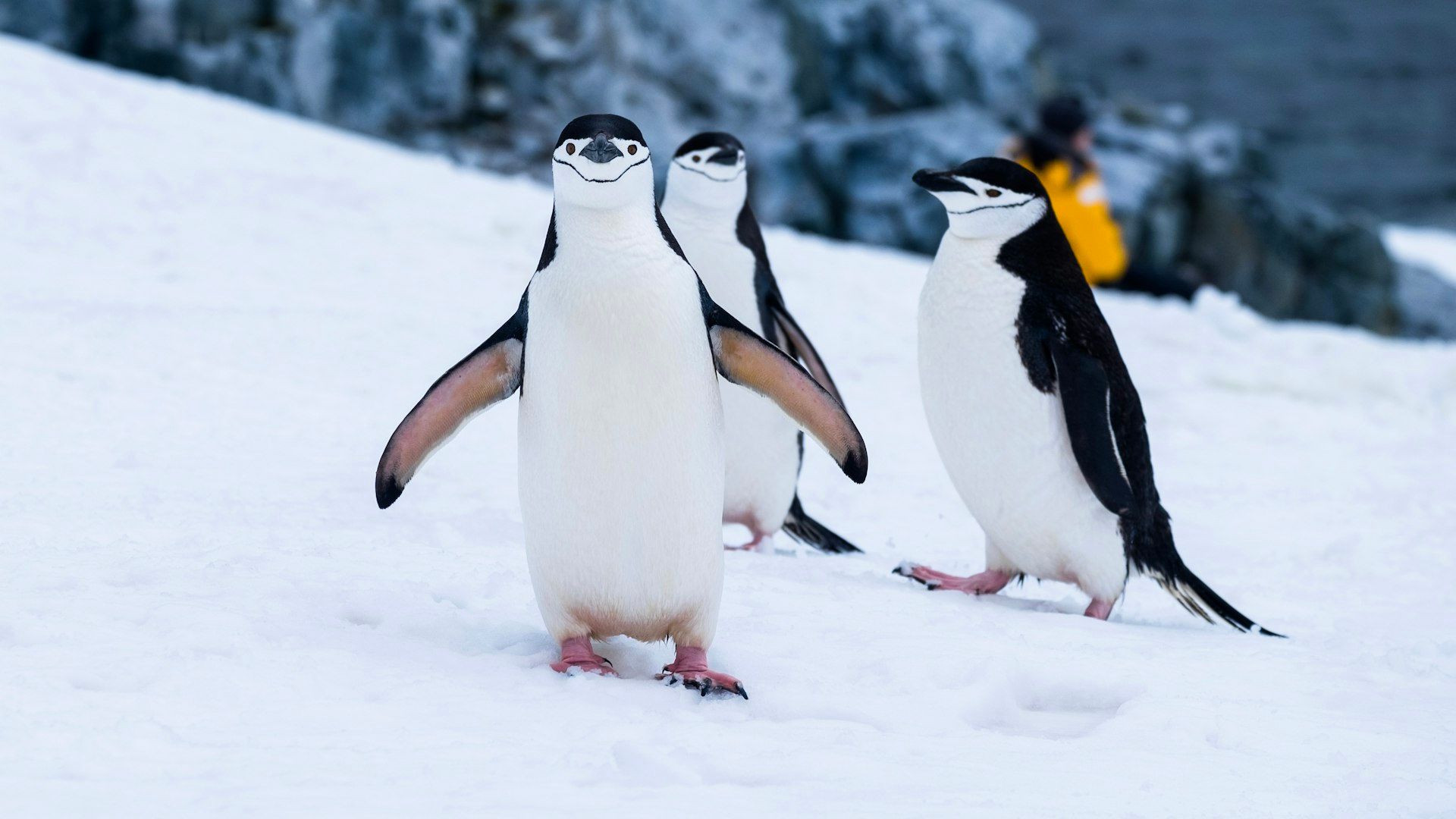
The Galapagos work year-round, with each season offering different highlights. December through May brings warmer water temperatures (ideal for snorkeling), calmer seas, sunny skies, and nesting seabirds — this is when blue-footed boobies perform their mating dances and green sea turtles come ashore to nest. June through November offers cooler air, more active marine life (whale sharks, Galapagos penguins, manta rays), and the nutrient-rich Humboldt Current that drives the underwater food chain into overdrive. I lean toward January for first-timers — warm water, peak wildlife activity, and the most comfortable conditions.
Highlights
Ready to explore Galapagos?
Open a channel and tell us what you are looking for. We will build a custom itinerary.
Open a Channel