Every year around Q2 planning season, I get the same call. A VP of Engineering or a Chief of Staff says some version of: “We need to get the team out of the office for a week. We’ve got budget. Resort or cruise?” And every year, the internet gives them the same useless answer: “It depends!”
It does depend. But I can tell you exactly what it depends on, with real numbers, so you can stop debating and start booking.
The Real Cost Comparison
Let’s kill the biggest myth first: “all-inclusive” doesn’t mean the same thing at a resort and on a cruise ship.
At a resort — say, a high-end Sandals property — “all-inclusive” covers your room, meals at on-site restaurants, well drinks and house wines, non-motorized water sports, and entertainment. What it doesn’t cover: premium liquor upgrades ($12-18 per drink at some properties), spa treatments ($150-400 per session), off-site excursions ($75-200 per person), scuba certification courses, and sometimes even motorized water sports. A $500/night “all-inclusive” rate can easily become $700/night per person once you’re actually living your vacation.
On a cruise, the spectrum is wider. A mainstream line like Royal Caribbean or NCL includes your cabin, main dining, buffet, pool, basic entertainment, and gym. Drinks, specialty restaurants, shore excursions, spa, Wi-Fi, and gratuities are all extra. Your $200/night fare balloons fast.
Then there are the true luxury all-inclusives at sea. Regent Seven Seas includes virtually everything: business-class air, unlimited shore excursions, premium drinks, specialty dining, Wi-Fi, gratuities, even a pre-cruise hotel night on certain sailings. Silversea runs a similar model. The sticker price is higher — $600-900/night per person — but when you add up what you’d spend on a mainstream cruise after extras, the gap shrinks dramatically.
The honest math for a 7-night Caribbean trip, group of 12:
| Category | Resort (Sandals) | Mainstream Cruise | Luxury Cruise (Regent) |
|---|---|---|---|
| Base rate (pp/night) | $450-650 | $180-350 | $650-900 |
| Drinks | Included (well) | $60-80/day | Included (premium) |
| Dining | Included | $40-75/specialty | Included |
| Excursions | $100-200/day | $75-150/port | Included |
| Gratuities | Included | $16-20/day | Included |
| Wi-Fi | Usually included | $15-20/day | Included |
| True daily cost (pp) | $550-750 | $400-650 | $650-900 |
| 7-night total (group of 12) | $46K-63K | $34K-55K | $55K-76K |
Airfare is the wildcard in every scenario. Resorts require one flight. Cruises might require positioning to the embarkation port. Regent including business-class air on certain sailings changes the calculus significantly for groups flying cross-country.
The takeaway: mainstream cruises are cheapest on paper but closest to resorts once you add extras. Luxury all-inclusive cruises cost more but deliver the most predictable budget. For a CFO signing off on a team trip, “predictable budget” has real value.
When the Resort Wins
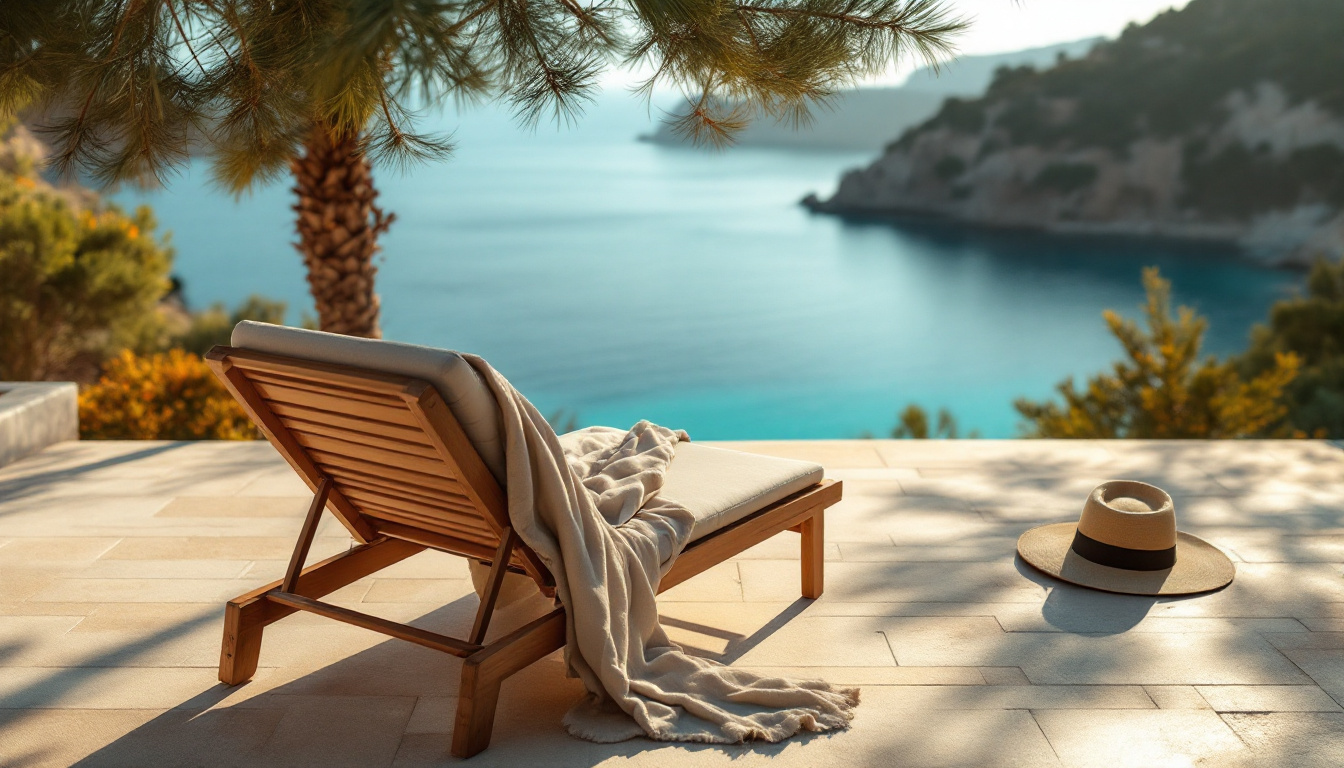
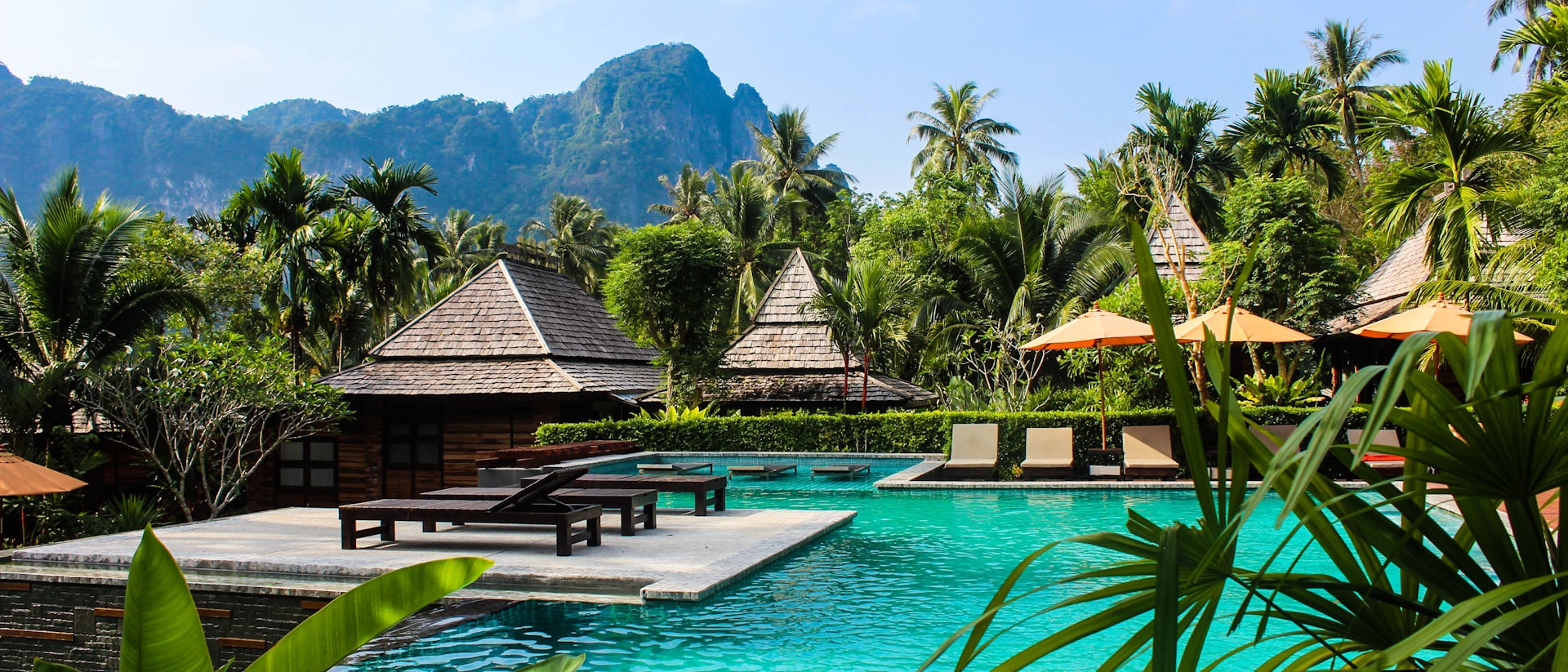
Resorts aren’t for everyone, but when they’re right, they’re unbeatable.
Team offsites that need focused work time. If your agenda includes half-day working sessions, a resort is structurally better. You have meeting rooms (or can rent them), reliable Wi-Fi in a fixed location, and nobody’s schedule is disrupted by port arrivals and departures. You work in the morning, hit the beach after lunch. The rhythm is simple and repeatable.
Families with young children. A four-year-old doesn’t care about Santorini. A four-year-old cares about the pool, the beach, and whether there’s ice cream. Resorts deliver that without the complexity of embarkation procedures, cabin safety drills, and navigating a 15-deck ship with a toddler. Sandals and Beaches solved this elegantly — Sandals properties are adults-only, Beaches properties are family. Same quality, different audience. No compromise required.
The “unpack once” traveler. Some people — and they’re often the most senior people on your team — genuinely don’t want to move. They want one beautiful place, one set of restaurants, one pool, one beach. They want to know where everything is by day two and spend the rest of the week in a groove. That’s not lazy. That’s someone who spends every other week of their life in transit and wants a vacation that doesn’t feel like another logistics exercise.
Club Med deserves a special mention here. Their all-inclusive model includes activities that other resorts charge extra for — sailing lessons, trapeze, tennis clinics, group fitness. For an active team that wants to do things together without planning each activity separately, Club Med’s structure is hard to beat. The Michelin-starred dining at their premium properties doesn’t hurt either.
When the Cruise Wins
Cruises win on variety, and they win decisively.
Multiple destinations without packing and unpacking. A 7-night Caribbean cruise hits 3-5 ports. Your floating hotel moves while you sleep. You wake up somewhere new. No airport transfers, no hotel check-ins, no “where’s my other suitcase?” anxiety. For someone who gets restless after three days in one place — and that’s most tech executives I know — a cruise is the ADHD-friendly vacation.
Built-in entertainment range. A resort has a spa, a pool, maybe a beach bar with a guitarist. A cruise ship has a spa, multiple pools, a theater with Broadway-caliber shows, comedy clubs, wine tastings, cooking classes, rock climbing walls, and a casino. The variety means a group of 12 people with 12 different ideas of fun can all be satisfied simultaneously without anyone compromising.
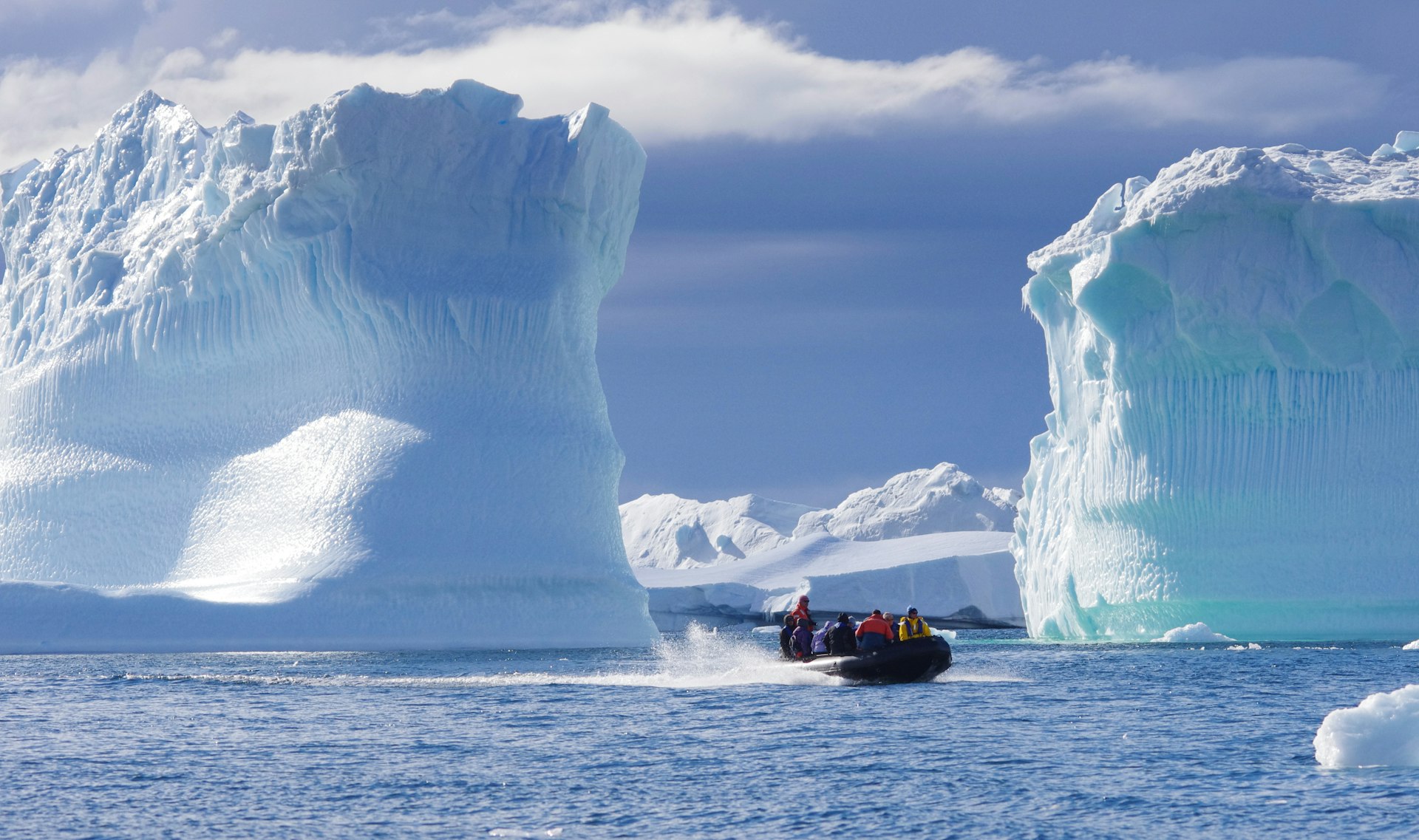
Expedition experiences resorts can’t replicate. This is the big one. No resort can offer you a morning zodiac cruise past a glacier calving into the sea in Alaska, an afternoon watching humpback whales breach from your private balcony, and a naturalist lecture over cocktails that evening. Expedition cruising — through Silversea, Ponant, or HX — delivers experiences that simply don’t exist on land. If the goal is “trip of a lifetime” rather than “relaxing week off,” expedition cruises win by a mile.
The Group Dynamic Factor
This is where most comparisons fall apart, because most comparisons are written for couples, not groups.
At a resort, keeping a group of 12 together is easy. You’re all in one place. Dinner reservations are straightforward. You can see who’s at the pool. The downside: it’s harder to give people space. If someone on your team needs alone time (and someone always does), a resort can start to feel small. You’re in the same restaurants with the same people every meal. By day five, even the best teams develop friction.
On a cruise, the together/alone balance happens naturally. You can schedule group dinners and excursions, but between those anchors, people disappear into a ship with 15 decks and a dozen venues. The introvert on your team can read in the library while the extroverts hit the pool bar. Nobody has to perform togetherness all day. That breathing room is worth more than most people realize until they’ve experienced both.
Meeting space is the practical differentiator. Resorts almost always have bookable conference rooms. On a cruise, private meeting space is limited and often expensive — though luxury lines like Regent and Silversea handle this better than mainstream lines, especially for groups that book early. If you need four hours of focused workshop time per day, tell us upfront. It changes the recommendation.
Group discounts favor cruises. Most cruise lines offer meaningful group rates at 8+ cabins — we’re talking 10-15% off, sometimes with one cabin free. Resort group discounts exist but are typically less generous and harder to negotiate. For a group of 12, the cruise group rate can save $5,000-8,000 on a 7-night sailing.
The Hybrid Play
The real answer, for groups with enough time and budget, is both.
The cruise + resort extension is one of the most satisfying trip structures we build. Three nights at a resort on the front end to decompress, do your team work, and settle into vacation mode, then board a cruise for the adventure portion. Or reverse it: cruise first, resort decompression after.
The pre-cruise resort night is the minimum version of this. Flying into an embarkation city the night before and staying somewhere excellent eliminates the stress of same-day travel to the port. It’s a small investment that changes the entire energy of boarding day.
Here’s one we love: Sandals Royal Curacao + Southern Caribbean cruise. Three or four nights at one of the newest Sandals properties — adults-only, swim-up suites, spectacular reef snorkeling — then embark from Curacao or a short flight to a Southern Caribbean sailing that hits Aruba, Bonaire, and islands most people have never heard of. The resort gives you the “unplug” phase. The cruise gives you the “explore” phase. Together, they cover every personality type on your team.
We build these as integrated packages because the transitions matter. Airport transfers, luggage handling between resort and port, timing the checkout-to-embarkation window — these details are boring until they go wrong, and then they define the trip. Having someone who’s done it two hundred times coordinate the handoff is the difference between seamless and stressful.
Key Takeaways
- “All-inclusive” means different things in different contexts. Always calculate the true daily cost, not the headline rate. Luxury cruise lines often deliver better value than they appear to on paper.
- Resorts win for focused work, young families, and the “unpack once” traveler. If your trip has a working-session component, start with resorts.
- Cruises win for variety, multiple destinations, and groups that need breathing room. The natural together/alone rhythm of a ship is underrated for team dynamics.
- Group discounts favor cruises — 8+ cabins typically unlocks 10-15% savings and sometimes a free cabin.
- The hybrid play is the best play. Resort + cruise covers every personality type and delivers two distinct vacation phases in one trip.
If you’re planning a team trip and the resort-vs-cruise debate has stalled out your planning committee, we can help. Open a Slack channel with our team — it takes five minutes, costs nothing, and the channel stays open as long as you want it.