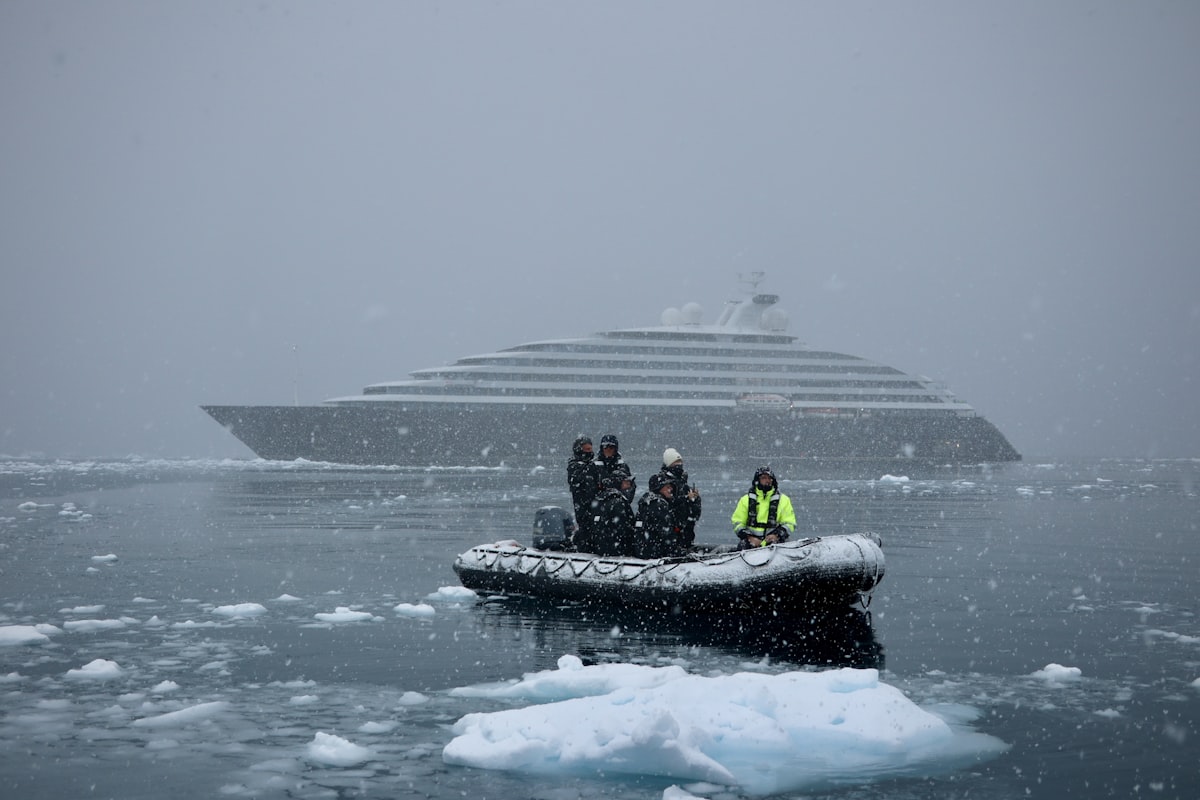
When a client tells me they want to go to Antarctica, I run through three operators in my head before I open my mouth: HX, Lindblad-NatGeo, and Silversea Expeditions. They’re the legitimate top tier. The next-tier operators (Quark, Ponant, Aurora Expeditions, Atlas Ocean Voyages) are all good ships with real expedition teams — but the top three is where the magic happens for first-time polar travelers, and where I send the majority of my clients.
HX Expeditions — formerly Hurtigruten Expeditions — wins more often than the other two for reasons I’ll lay out below. This isn’t a sales piece. It’s the conversation I have when someone asks me to compare them, why I usually land on HX, and the specific cases where I send people elsewhere.
The Heritage Argument Is Real
Most “expedition cruise” brands are five years old or rebadged premium cruise lines. HX traces back to 1896 — the same Norwegian operation that ran the original Hurtigruten coastal route for 130 years. They’ve been sailing Arctic waters longer than most countries have had passports. That heritage isn’t marketing copy; it shows up in the ice-pilot crew, the old-school Norwegian seamanship, and the institutional knowledge of how to handle a sudden Drake Passage storm or a tide change in Svalbard.
Heritage matters in expedition cruising because the failure modes are real. A cruise line that’s three years old hasn’t yet had to refund a Drake crossing, evacuate a passenger from South Georgia, or reroute around early sea ice. HX has — many times — and the fleet decisions and procedures are calibrated for it.
The Fleet: Built for Where They Sail
Seven ships, all purpose-built or purpose-converted for expedition work. The newest two — MS Roald Amundsen (2019) and MS Fridtjof Nansen (2020) — are the world’s first hybrid-powered expedition ships. The hybrid system isn’t a press release: it cuts CO2 emissions by 20% in real-world operation versus a comparable diesel-only ship. On port approaches and in protected waters, they run on battery power, which means you arrive at a glacier in genuine silence.
The other five ships:
- MS Fram — Arctic and Antarctic, 276 guests. The classic small expedition ship — Drake crossings, South Georgia, Northwest Passage.
- MS Spitsbergen — Svalbard specialist, 180 guests. Small enough to enter fjords the larger ships can’t reach.
- MS Otto Sverdrup — recently rebuilt, mid-size for European and trans-Atlantic itineraries.
- MS Maude — newer addition for British Isles and European coastal expedition routes.
- MS Santa Cruz II — Galápagos-only, 90 guests. The smallest in the fleet by design — Galápagos National Park caps ships at 100 passengers.
The capacity sweet spot. All HX ships fall in the 90-500 guest range, which is the operational threshold where expedition cruising actually works. Ships under 200 guests can land all passengers in a single Zodiac wave; ships over 500 require multiple landing rotations and lose half a day in the process. The ice-class certification on these hulls (PC6 on Roald Amundsen and Nansen) lets them go places that lower-rated ships can’t, period.
What “Most Sustainable Expedition Line” Actually Means
HX is the only expedition line publishing audited ESG data with full transparency — Cruise Critic’s Editor’s Choice for “Best Science Program” multiple years running, and the only operator with year-over-year independently-verified emissions reductions.
The specifics:
- Hybrid-powered ships running on battery in protected waters
- 100% ban on heavy fuel oil (most expedition lines still use it)
- Single-use plastic eliminated fleetwide since 2018 — including in cabin bathrooms (refillable shampoo and conditioner are standard)
- 80% of food sourced regionally to the destination
- The HX Foundation funds independent science research aboard the fleet
- Exclusive travel partner of the Audubon Society
The Audubon partnership matters operationally: it means HX is reviewed by independent ornithologists for its wildlife-encounter protocols. When a humpback surfaces near the ship, the captain follows IAATO guidance and Audubon-approved buffer-distance practices. You’re not watching a wildlife show; you’re watching wildlife unbothered.
The Onboard Experience: Science Center Is Not a Gimmick
Every HX ship has a dedicated Science Center — multi-room facility with microscopes, lab equipment, hydrography sensors, and citizen-science programs travelers actually participate in. Real research. On a Roald Amundsen voyage, you might:
- Help log seabird sightings into the Antarctic Site Inventory (ASI) database
- Collect water samples for a UN-affiliated microplastics study
- Photograph individual humpback flukes for the Happywhale ID project (every fluke pattern is unique, like a fingerprint)
- Take part in glaciology measurements with onboard scientists
This isn’t a kids’ activity. The participants are typically 50- to 70-year-old executives and academics on their first or second polar voyage. Most of them describe it as the part of the trip they’d most happily do again. It changes the way you watch a glacier — once you’ve spent 20 minutes counting calving events with an actual glaciologist, the same view from a deck chair never feels passive again.
All-Inclusive — and Specifically What That Includes
Expedition pricing is its own minefield. Mainstream cruise lines headline a low fare and bury the extras. HX doesn’t. The all-inclusive scope:
- All meals across all dining venues
- Daily Zodiac landings and shore excursions (these alone are $200+ each on lines that charge separately)
- All Science Center programs
- Wines and beers with lunch and dinner; tea, coffee, and water all day
- WiFi (the satellite-link kind that actually works)
- Gratuities for crew and expedition team
- Loaner expedition gear — waterproof boots, expedition parka (yours to keep on Antarctic and Arctic voyages), trekking poles
- Onboard lectures and photography workshops
- HX Explorer loyalty program (free; 5% off subsequent voyages)
What’s NOT included that you should budget for:
- Flights to the embarkation port (Ushuaia for Antarctica; Longyearbyen or Tromsø for Svalbard; Reykjavik for Arctic Norway/Iceland; Quito for Galápagos)
- Pre- or post-voyage hotel nights
- Optional adventures (kayaking program is $700-1,200; camping on the Antarctic ice is $200-300; submarine dives on Roald Amundsen are $750)
- Premium-tier wines and spirits (the standard wine list is genuinely good; if you’re a serious oenophile, budget $200-400 for upgraded selections)
The math. A 14-day Antarctica voyage on HX runs roughly $11,000-19,000 per person depending on cabin category. Compare that to Silversea Expeditions ($15,000-25,000 for similar) and Lindblad-NatGeo ($14,000-22,000). For comparable inclusion levels, HX is consistently the better price-per-night, especially in lower cabin tiers.
Where HX Wins Over the Alternatives
I’ll give it to you straight, because comparison-shopping clients deserve honest takes:
HX vs. Lindblad-NatGeo: Lindblad has the National Geographic photography brand and the deepest expert-led programming. HX has newer ships, bigger sustainability cred, and lower price points for similar destinations. If you care most about having a NatGeo photographer on board, Lindblad. If you care about ship comfort, sustainability, and value, HX.
HX vs. Silversea Expeditions: Silversea is more luxurious — butler service in every suite, ultra-premium dining, the highest-end finishes. HX is more genuinely expeditionary — you spend more time off the ship, less time in the spa, and the ship feels like a working vessel that happens to have great food rather than a hotel that happens to have Zodiacs. Pick Silversea if you want luxury that goes to interesting places. Pick HX if you want expedition that’s also comfortable.
HX vs. Quark: Quark is purpose-built polar — they don’t sail anywhere except the Arctic and Antarctic. Smaller, more rugged, more dedicated polar staff. If you’ve already done one expedition voyage and want to go deeper, Quark. For a first-time expedition traveler, HX is more polished, easier on first-timers’ nerves, and broader in itinerary options.
Where I Send People Elsewhere
Honesty matters: HX isn’t always right.
- Want full ultra-luxury? Silversea Expeditions’ Silver Endeavour or Crystal Endeavor (now A&K’s, post-merger). HX is upper-premium, not ultra-luxury.
- Want the deepest scientific program? Lindblad-NatGeo. They invented the model and the National Geographic photographer integration is unmatched.
- Want a private-charter feel for a small group? Ponant for couples-and-families groups; SeaDream for ocean-yacht charters in temperate waters. HX ships are public sailings.
- Just want a Norwegian coastal trip, not expedition? That’s Hurtigruten (the original coastal ferry brand), not HX. Different product entirely.
The Itineraries Worth Booking
If you’re considering HX, here are the routes I’d point you toward by interest:
Antarctica — first time. 11-day Antarctic Peninsula voyage on Roald Amundsen or Nansen. Two days down through Drake Passage, six days exploring the Peninsula, two days back. Best balance of Antarctic time and total trip length. November-March only.

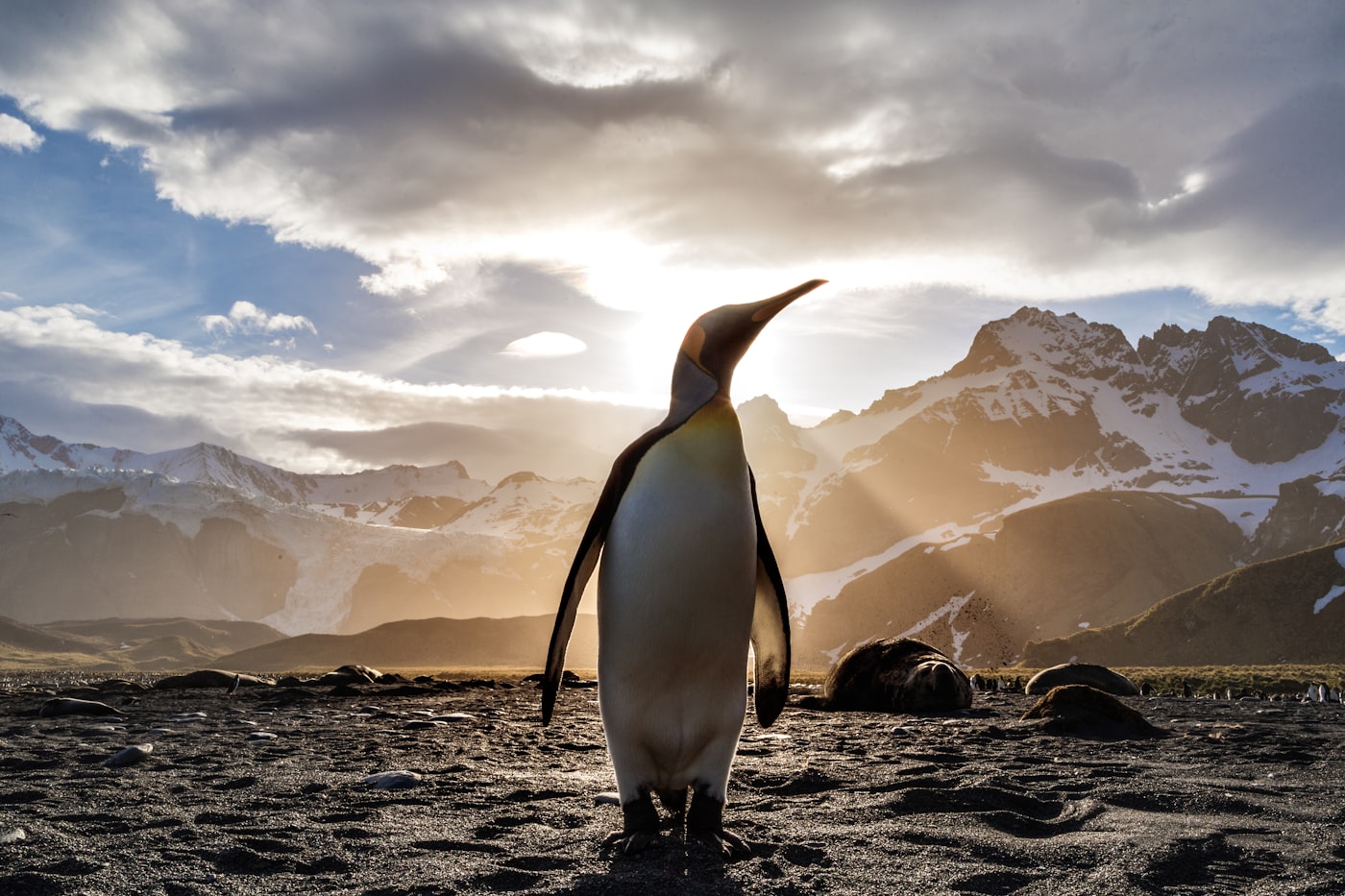
Antarctica — serious wildlife. 18-21 day Antarctica + South Georgia + Falklands voyage. South Georgia is the wildlife crown jewel — king penguin colonies of 100,000+ birds, fur seal beaches, glaciated mountains rising straight from the sea. Add Falklands for albatrosses and rockhoppers. This is the trip you take after you’ve done a Peninsula voyage and decided you want more.

Arctic — Svalbard. 8-10 day voyage in summer (June-August). Polar bears (more bears than people on Svalbard), walrus colonies, glaciated fjords, and 24-hour daylight. MS Spitsbergen is the right ship — small enough to enter the inner fjords other ships can’t reach.
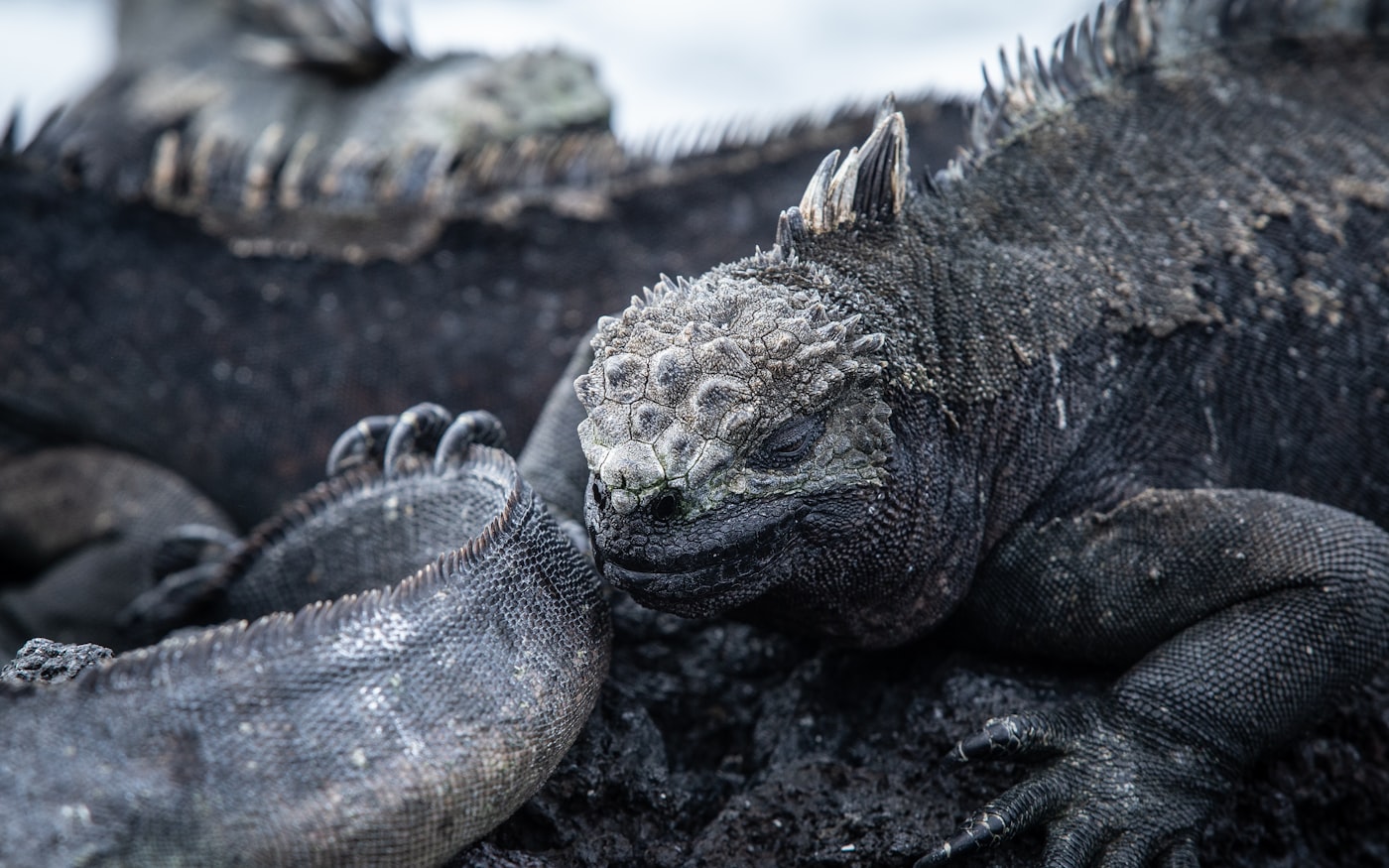
Galápagos. 7-10 day voyage on MS Santa Cruz II. The Galápagos National Park caps ships at 100 passengers — Santa Cruz II at 90 fits perfectly. You’ll see the unique wildlife (giant tortoises, marine iguanas, blue-footed boobies, hammerhead sharks) without the cattle-call feel of larger ships.
Northwest Passage. Once-a-year voyage in late summer through the legendary route — Greenland to Alaska. 17-20 days. This is the bucket-list trip. Sells out 18+ months in advance.
The Audubon Offer Worth Knowing About
Audubon Society members get an extra 10% off select HX voyages year-round through the partnership. Membership in Audubon is $20/year — meaning a $15,000 Antarctica voyage saves you $1,500 net of the membership cost. I’ve sent multiple clients to join Audubon specifically before booking. Worth the 60 seconds.
Why Book Through Travel Tamers
I won’t bury the sales pitch — it’s the same pitch I make for any operator: booking through us doesn’t cost you anything (HX pays our commission, your fare is identical), and the perks add up:
- Preferred cabin allocations on high-demand departures
- Priority Zodiac boarding (HX rotates groups; we get you in the first wave)
- For groups of 8+ cabins: complimentary cabin upgrades, one free cabin per 15 booked, dedicated escort options
- Pre-voyage logistics handled (flights, Buenos Aires/Ushuaia hotel nights, packing lists, gear procurement)
- Post-voyage extension planning (Patagonia after Antarctica, Iceland after Arctic Norway)
- Real-time advocacy if anything goes sideways onboard — I have direct lines to HX customer service and the Nexion expedition desk
The Honest Bottom Line
HX Expeditions is the operator I trust most for first-time expedition travelers and seasoned ones alike. They’re not always the cheapest, never the most luxurious, and rarely the most boutique — but they sit in the highest-value tier of the segment, and they get the things right that genuinely matter: ice-capable ships, authentic expedition teams, real sustainability practices, and pricing that’s fully inclusive without surprises.
If you’ve been considering an expedition cruise — Antarctica, Arctic, Galápagos, or somewhere stranger — and want to talk through whether HX is the right fit for your specific itinerary and travel style, reach out. The most useful conversation we can have isn’t about HX specifically — it’s about whether your trip is better served by HX, Lindblad, Silversea, or one of the more boutique options. I’ll tell you straight either way.