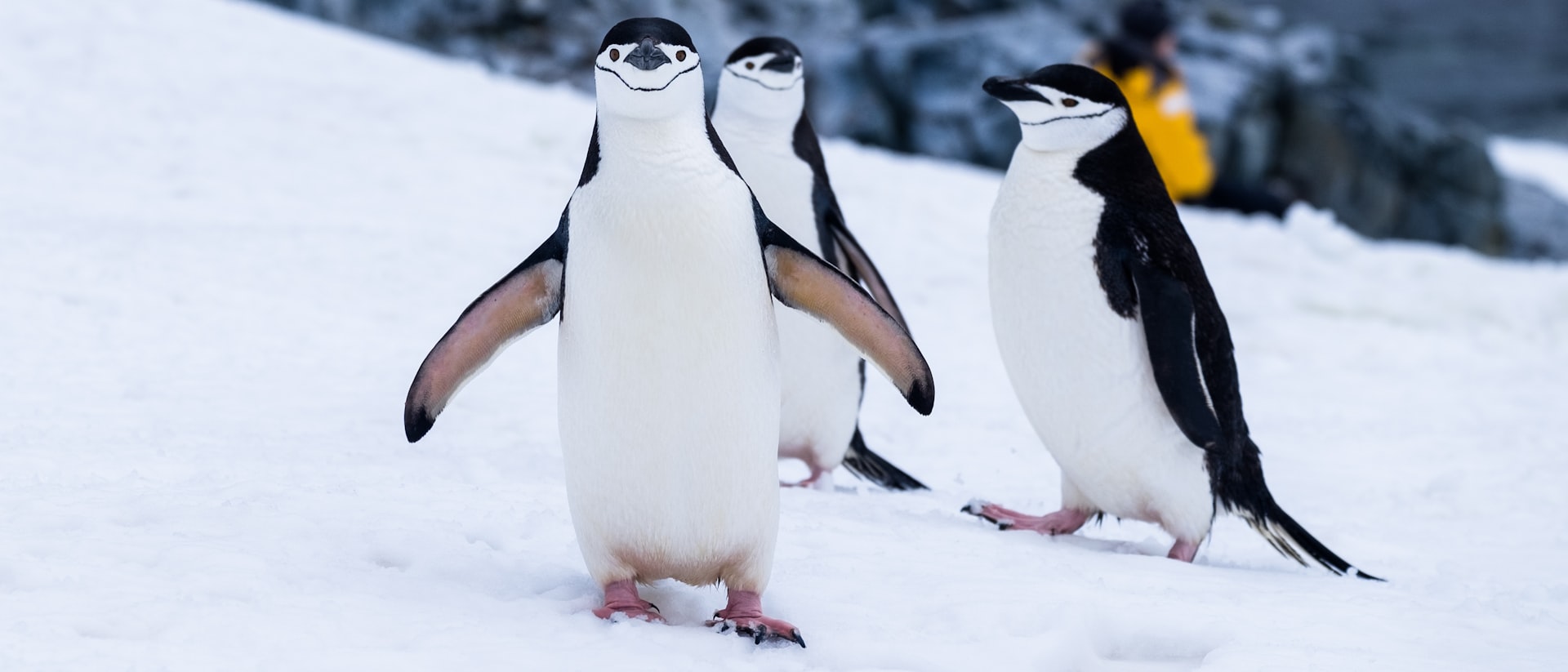
Astronauts who’ve seen Earth from orbit describe something called the Overview Effect — a cognitive shift where borders, politics, and daily anxieties suddenly look absurd against the scale of the planet. Antarctica does the same thing at sea level. You stand on a rocky shore surrounded by 100,000 penguins, glaciers calving into water so clear it looks fake, and absolute silence except for ice cracking and birds calling. Your inbox stops mattering. Your Q3 roadmap stops mattering. The thing that matters is that you’re standing on a continent that doesn’t care about you at all, and that’s the most freeing feeling you’ll have this decade.
But Antarctica isn’t getting easier to visit. It’s getting harder. And the window for experiencing it the way it exists today is closing faster than most people realize.
Why Antarctica Now
The International Association of Antarctica Tour Operators (IAATO) has been tightening visitor caps steadily since 2020. Only 100 passengers can be ashore at any landing site at one time. Ships carrying more than 500 passengers can’t make landings at all — they can only cruise past. The 2026-2027 season is expected to see further restrictions on the number of ships operating simultaneously in popular areas like the Lemaire Channel and Neko Harbour.
Climate change isn’t a future problem here — it’s the present. The Antarctic Peninsula has warmed by nearly 3 degrees Celsius over the past 50 years, one of the fastest rates on Earth. Ice shelves that have existed for thousands of years are collapsing. Glacier retreat is accelerating. The wildlife is still extraordinary, but distribution patterns are shifting. Gentoo penguins are expanding southward into territory that was previously too cold for them, while Adelie populations are declining in the northern peninsula.
None of this means Antarctica is ruined. Far from it — it remains the most pristine, visually overwhelming place on the planet. But the Antarctica you visit in 2027 won’t be quite the same as the one available in 2030 or 2035. If this trip is on your list, the argument for going sooner rather than later is backed by data, not marketing.
The 2026-2027 season runs from late October through March. November and December offer the best combination of long daylight hours (up to 20 hours), active wildlife breeding, and relatively stable weather. January and February bring warmer temperatures and whale activity as humpbacks arrive to feed. March offers dramatic late-season light and fewer ships, but shorter days and more unpredictable weather.
Choosing Your Expedition Ship
This is the single most important decision you’ll make, and it’s where most people get overwhelmed. The expedition cruise market has exploded in the past five years, and not all ships are created equal. Here’s what actually matters.
Passenger count determines your experience. Ships under 200 passengers get more landing opportunities because of the IAATO 100-at-a-time rule. A 200-passenger ship splits into two groups and rotates. A 500-passenger ship splits into five groups, meaning you spend significantly more time waiting on the ship. Sub-200 is the sweet spot. Under 100 is ideal if budget allows.
Naturalist-to-guest ratio is the hidden quality metric. The best operators run 1 naturalist per 10-12 guests. Budget operators run 1 per 20-25. This ratio determines whether your Zodiac cruise has a marine biologist narrating what you’re seeing or a crew member who read the briefing notes that morning. Ask for the ratio before you book. If the line can’t give you a number, that tells you something.
Here’s how the major expedition lines compare for Antarctica:
HX Expeditions (formerly Hurtigruten Expeditions) runs purpose-built expedition ships with hybrid power and ice-strengthened hulls. Their science program is strong, with onboard research partnerships. The vibe is Scandinavian-practical — excellent food, comfortable but not ostentatious cabins, and a genuine focus on the destination rather than the ship. Best for: serious expedition travelers who prioritize the experience over luxury finishes.
Silversea operates the Silver Endeavour (formerly Crystal Endeavor), a 200-guest all-inclusive ultra-luxury expedition ship. Butler service, multiple restaurants, and a level of onboard comfort that’s genuinely remarkable for a ship that also does Zodiac landings in Antarctica. Best for: travelers who want expedition immersion without sacrificing luxury standards.
Ponant brings French elegance to polar waters. Their ships are beautiful, the cuisine is outstanding, and the expedition teams are experienced. Le Commandant Charcot is their flagship — a hybrid-electric icebreaker that can reach areas other ships can’t. Best for: travelers who want a refined European expedition experience, or those interested in reaching the deep south.
Seabourn runs the Seabourn Venture and Seabourn Pursuit, both purpose-built for expedition with two custom submarines for underwater viewing. The all-inclusive model means every drink, every excursion, every meal is covered. Best for: travelers who want Seabourn’s legendary service in an expedition context.
Viking entered the expedition market with the Octantis and Polaris — technically capable ships with the Science Lab that’s become Viking’s signature. The value proposition is strong, and the enrichment programming is excellent. Best for: travelers who want intellectual depth and Viking’s inclusive pricing model.
The balcony debate: People ask me constantly whether a balcony cabin is worth the premium in Antarctica. My honest answer: it depends on how you travel. If you’re the type who wakes at 5am and goes straight to the observation deck in your parka, skip the balcony — you won’t use it. If you like watching icebergs drift past while drinking coffee in your bathrobe before breakfast, it’s worth every dollar. There’s no wrong answer, but don’t pay for a balcony because you think you’re supposed to.
The Itinerary Decision Tree
Not all Antarctic itineraries cover the same ground. The differences are significant.
Antarctic Peninsula (10-12 days round-trip from Ushuaia): This is the classic. Two days crossing the Drake Passage each way, with 4-5 days of landings and Zodiac cruises along the peninsula. You’ll see massive penguin colonies, leopard seals, humpback whales, and landscapes that look like another planet. This is the right choice for most first-time visitors.
Fly-cruise (8-10 days, fly one or both Drake crossings): You fly from Punta Arenas, Chile, to King George Island, skipping the Drake Passage entirely or in one direction. This saves 2-4 days of open-ocean sailing and is a strong option for people with limited time or serious concerns about seasickness. The tradeoff: it costs more, and you miss the Drake experience, which some travelers consider a highlight.
South Georgia and Falklands extension (18-22 days): This is the expedition for wildlife obsessives. South Georgia is home to roughly 500,000 king penguins, massive elephant seal colonies, and the grave of Ernest Shackleton. The Falklands add black-browed albatross colonies and a quirky British outpost culture. If you can afford the time, this is the definitive Southern Ocean voyage. It’s a once-in-a-lifetime trip within a once-in-a-lifetime trip.
Ross Sea (28-32 days): The deep south. Most people will never do this, and that’s fine. It’s for expedition veterans who’ve done the peninsula and want to reach the most remote waters on Earth. Emperor penguin colonies, the historic huts of Scott and Shackleton, and the Ross Ice Shelf. Ponant’s Le Commandant Charcot is one of the few ships that can operate here reliably.
What No One Tells You About the Drake Passage
The Drake Passage — the 600-mile stretch of open ocean between South America and Antarctica — has a reputation that precedes it. And that reputation is mostly earned. The Drake sits where the Atlantic, Pacific, and Southern Oceans collide with no land mass to slow them down. Waves of 20-30 feet are common. Waves of 40+ feet happen.
But here’s what the reputation misses: about 30% of crossings are what veterans call “Drake Lake” — flat calm, blue skies, albatross gliding beside the ship. You might get lucky. You might not. That uncertainty is part of the experience.
Seasickness preparation is non-negotiable. Even experienced sailors can struggle in the Drake. Here’s what works:
- Start medication before you need it. Scopolamine patches (prescription) go on 8-12 hours before departure from Ushuaia. Meclizine (over-the-counter) starts the morning of. If you wait until you feel sick, you’re already behind.
- Ginger is real, not just folklore. Ginger candies and ginger tea genuinely help as a supplement to medication. Most expedition ships stock both.
- Choose your cabin wisely. Midship, lower decks have the least motion. If you’re concerned about seasickness, don’t book a high-deck suite at the bow.
- Stay busy on deck. Watching the horizon and breathing fresh air is better than lying in your cabin staring at the ceiling. The expedition team runs programming during the crossing — lectures, gear prep, photography workshops — and attending these helps more than you’d expect.
Veterans of multiple Drake crossings almost universally say they love it. There’s something raw and honest about crossing the most formidable stretch of ocean on Earth under your own power. You earn Antarctica. That matters.
Packing for a Continent With No Stores
Antarctica has no shops, no pharmacies, no Amazon delivery. What you bring is what you have. The expedition line will provide a parka (usually yours to keep) and rubber boots for landings. Everything else is on you.
The layering system is everything:
- Base layer: Merino wool, not cotton. Cotton holds moisture and will make you cold. Bring at least two sets so one can dry while you wear the other.
- Mid layer: Fleece or down. Something you can add or remove quickly as conditions change. Antarctic weather can shift from calm sunshine to driving snow in 20 minutes.
- Outer layer: The expedition parka handles wind and water. Make sure it fits over your mid layer with room to move your arms — you’ll be climbing in and out of Zodiacs.
- Hands and head: Waterproof gloves are essential, not optional. Bring two pairs — one heavy, one lighter for dexterity when photographing. A warm hat that covers your ears. Neck gaiter or balaclava for windy landings.
Camera waterproofing matters more than camera quality. Salt spray, Zodiac splashes, and sudden snow squalls can destroy unprotected gear. A waterproof camera bag or rain cover is mandatory. Bring lens cloths — lots of them. Cold air plus warm breath equals condensation on every lens change.
Biosecurity is serious and enforced. Before every landing, you’ll walk through boot-wash stations to prevent transferring organisms between sites. But the prep starts before you board. Vacuum every piece of Velcro on your gear — Velcro traps seeds and organic material that could introduce invasive species. Inspect jacket pockets, backpack straps, and tripod bags. The expedition team will check your gear, and they will send you back to the ship if it’s not clean. This isn’t bureaucracy — it’s protecting the last pristine continent on Earth. Take it seriously.
Other essentials: High-SPF sunscreen and quality sunglasses (UV reflection off ice and snow is intense), a reusable water bottle, motion sickness medication, and a small dry bag for your phone and documents during Zodiac operations.
Key Takeaways
- Book for the 2026-2027 or 2027-2028 season. IAATO restrictions are tightening, climate change is accelerating, and the best ships sell out 12-18 months in advance. Waiting means fewer options.
- Choose a sub-200-passenger ship with a strong naturalist ratio. The ship IS the experience — don’t optimize for price alone.
- The Antarctic Peninsula is the right first trip for most people. Add South Georgia if you have 18+ days and care deeply about wildlife.
- Prepare for the Drake Passage seriously — medication, cabin selection, and mindset all matter. But don’t fear it.
- Pack for self-sufficiency. Merino base layers, waterproof everything, and clean your Velcro.
If you’re weighing ships, dates, or itinerary options for an expedition cruise to Antarctica, we can help. Open a Slack channel with our team — it takes five minutes, costs nothing, and the channel stays open as long as you want it.