I have a low tolerance for greenwashed travel gear. The bamboo-handled toothbrush in a plastic blister pack. The “eco” tote bag made of polyester. The water bottle that ships with three single-use silica packets and a styrofoam insert. Most travel sustainability content reads like it was written by someone who’s never actually packed a bag — sustainable becomes a vibe, not a calculation.
Here’s the calculation that matters: the most sustainable travel gear is the gear you actually use, that doesn’t break, that replaces multiple disposable things over its lifetime, and that you don’t have to apologize for. None of what’s on this list is gear-shop theater. It’s what I pack on every long trip — eight or nine of these on most expeditions — and what I recommend to clients who ask.
The Filtering Question
Before any specific pick, here’s how I evaluate a piece of travel tech:
- Does it replace something disposable? A solid filter water bottle replaces 30+ plastic bottles per trip. A solid shampoo bar replaces 3 hotel mini-shampoos. Math first, marketing second.
- Does it last 5+ years? A “sustainable” product you replace annually is just a slower version of the problem.
- Does it have a real repair path? Patagonia, Peak Design, and Goal Zero will fix or replace what they make. Most “eco” brands quietly don’t.
- Is the company telling on itself with numbers? The brands worth trusting publish carbon-impact data with audit trails. The ones that just say “sustainable” on the box are the ones to skip.
Now the gear.
Power: Goal Zero Sherpa 100AC + Nomad 20 Solar Panel
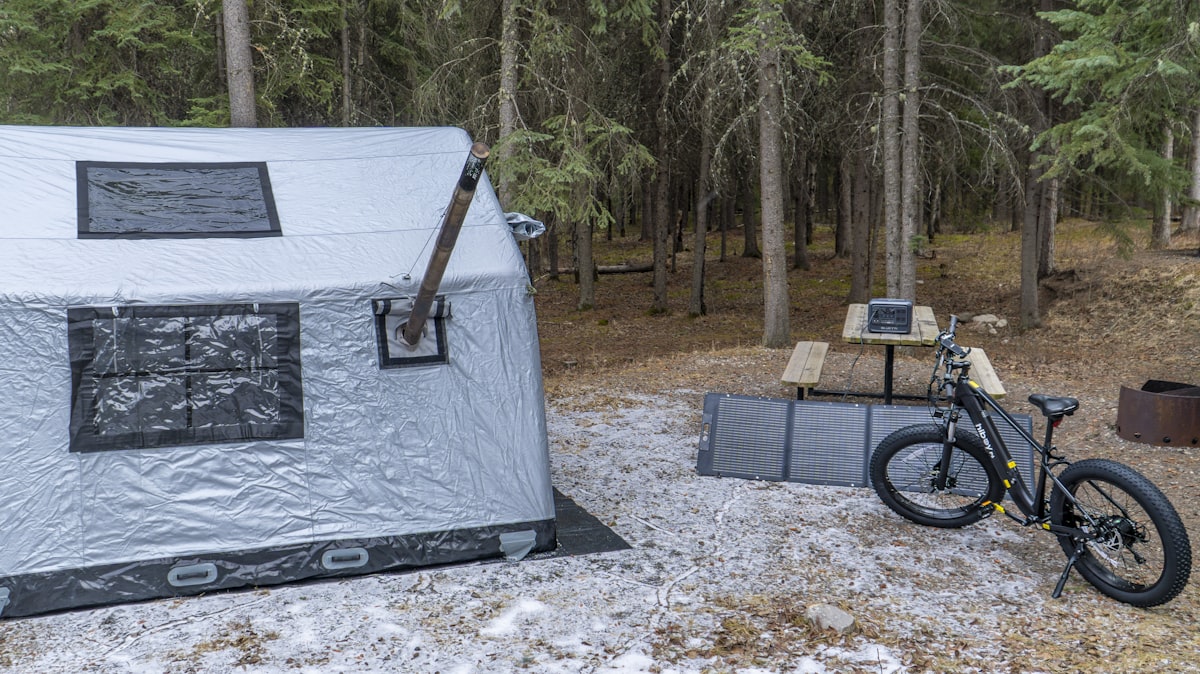
This is what I bring on any expedition where I’ll be off-grid for more than two days — Antarctic shore landings, African safari camps with limited generator hours, Patagonia trekking lodges. The Sherpa 100AC is a 94.7Wh power bank with USB-C PD, a regular AC outlet, and wireless charging built in. It charges a laptop, two phones, a camera, and a pair of headphones from a single nightly hookup.
The Nomad 20 solar panel folds flat into a thin rectangle and clips to the outside of my pack. In real-world conditions — partly cloudy, not perfect equatorial sun — it tops up the Sherpa from 50% to 90% in about four hours of hiking. If I had to pick one piece of “sustainable tech,” it’s this combo. It pays for itself in saved disposable batteries on a single Antarctica voyage and lasts ten years.
Skip: the 5,000mAh “solar” power banks at airport kiosks. The solar panels on those are decorative. They’d take three weeks of full sun to charge, and they’re filled with the cheapest lithium cells available.
Water: Grayl GeoPress Purifier

Standard travel filters (LifeStraw, Sawyer) remove protozoa and bacteria but not viruses. Grayl’s GeoPress removes all three including viruses, in 15 seconds, by pressing the bottle’s inner sleeve down through the water like a French press. I’ve used it from a tap in Lima, a hand pump in Botswana, and a fjord stream in Iceland. The water comes out filtered to WHO standards, every time.
Why this matters for sustainability: a 10-day trip generates 30+ plastic water bottles per traveler if you’re cautious about tap water. The GeoPress eliminates them entirely. For premium travelers in places where bottled water is the default, the cost-per-trip math is brutal — you’re not just paying for plastic, you’re paying for the carbon footprint of trucking that water to remote lodges.
The cartridge lasts 350 presses (about 65 gallons of purified water — six months of constant travel). One spare cartridge in your toiletry bag covers a year. Total replacement cost: about $30. Compare to bottled water in the Maldives at $8/bottle for 12 days × 4 bottles/day = nearly $400 you didn’t need to spend.
Luggage: Patagonia Black Hole Duffel + Paravel Aviator Carry-On
The Patagonia Black Hole is made from 100% recycled body fabric, lining, and webbing. The 70L size has lasted me 14 years through Antarctic landings, safari Land Cruisers, and multiple monsoons. It’s the only soft-sided duffel I trust on small ships and bush planes where rigid luggage doesn’t fit. Patagonia will repair any tear for the rest of your life — that’s a real warranty, not the asterisk-laden version.
The Paravel Aviator is what I use as a carry-on roller. The shell is made from 35 recycled plastic bottles per bag, the lining is recycled fabric, and the wheels are silent on hard floors. It’s not as bulletproof as a Tumi or Rimowa — but it’s the one carry-on I’ve found that actually carries the sustainability story without sacrificing daily-use quality.
Skip: anything that calls itself “vegan leather.” Most of it is petroleum-based plastic that degrades into microplastics within five years. Real recycled-fabric or repair-friendly leather wins both functionally and ethically.
Communication: Garmin inReach Mini 2
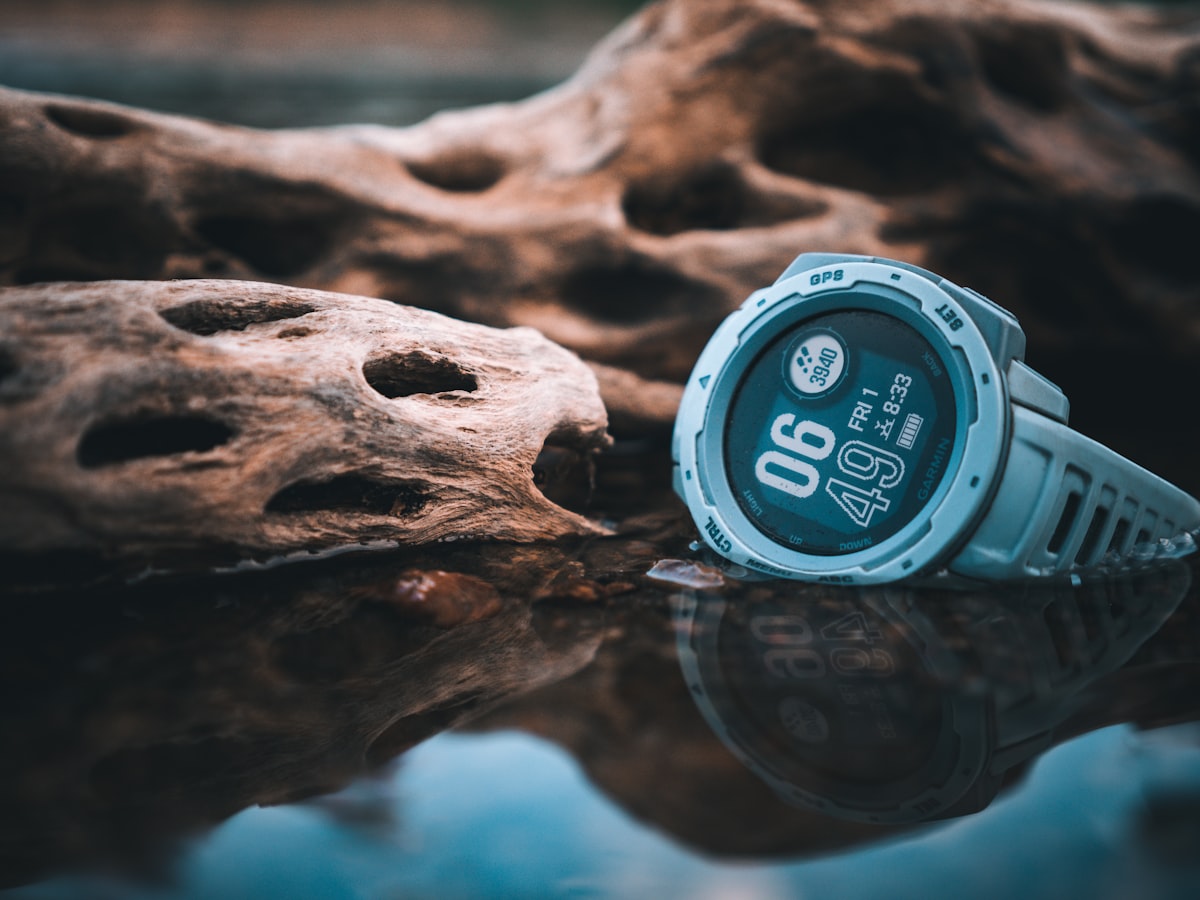
This is non-negotiable on expedition trips. Two-way satellite messaging via the Iridium network, SOS button connected to GEOS emergency response, a digital compass and weather forecasts. Works anywhere on Earth. I’ve used mine to text family from a Zodiac in Antarctica, to coordinate with a guide team in the Atacama, and once to call out a medical evacuation in southern Patagonia.
The sustainability angle isn’t obvious until you think about it: the alternative is carrying multiple SIM cards (manufacturing waste), local phones (e-waste), and satellite phone rentals (high carbon to ship and warehouse). One inReach replaces all of that for years. Subscription-only when you need it ($15/month, pause anytime).
Note: this is genuine emergency hardware, not just a luxury. If you’re going somewhere where rescue isn’t a 911 call away, the inReach is the device that gets you home.
Headphones: Apple AirPods Pro 2 (Recycled Edition)
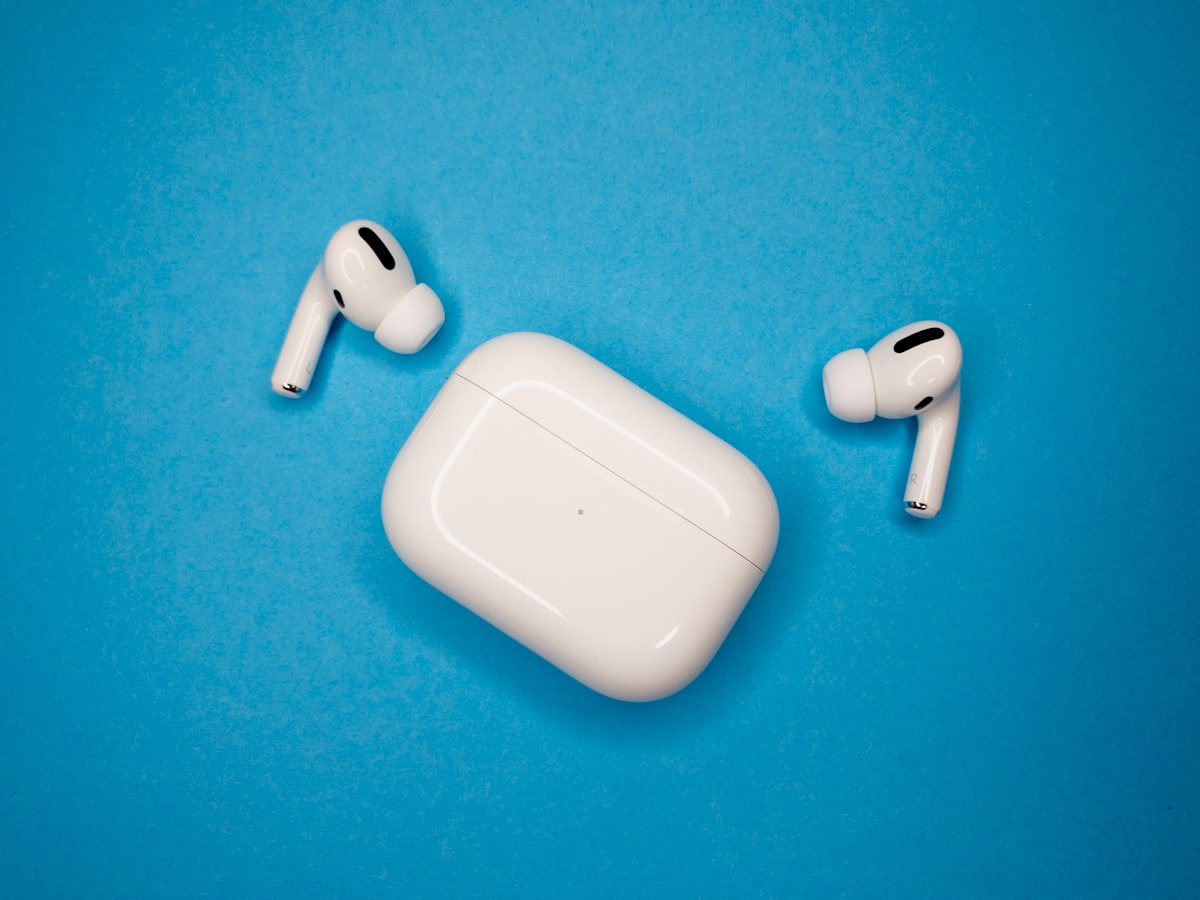
I went back and forth on whether to include consumer electronics on a “sustainable” list. The honest answer: AirPods Pro 2 are made with 75% recycled rare-earth elements, 99% recycled tungsten, and 95% recycled aluminum. Apple publishes the audited carbon-impact data. They last about three years before the battery degrades — which is real, not great.
But: noise cancellation that good on a 14-hour flight saves you from the hotel-bar scrolling-into-oblivion that tired travelers do. The wellness math matters. And if you’re going to bring noise-canceling headphones (and you should, on long flights), AirPods Pro 2 have the smallest manufacturing footprint of the major options today, audited by a third party. The Sony WH-1000XM5 are higher-fidelity but the materials story is much weaker.
Better choice if you don’t already have AirPods: look at House of Marley’s wireless line — bamboo and recycled aluminum housing, real repair program, and the audio is genuinely excellent.
Cables and Power: Anker 735 Charger + Single USB-C Cable
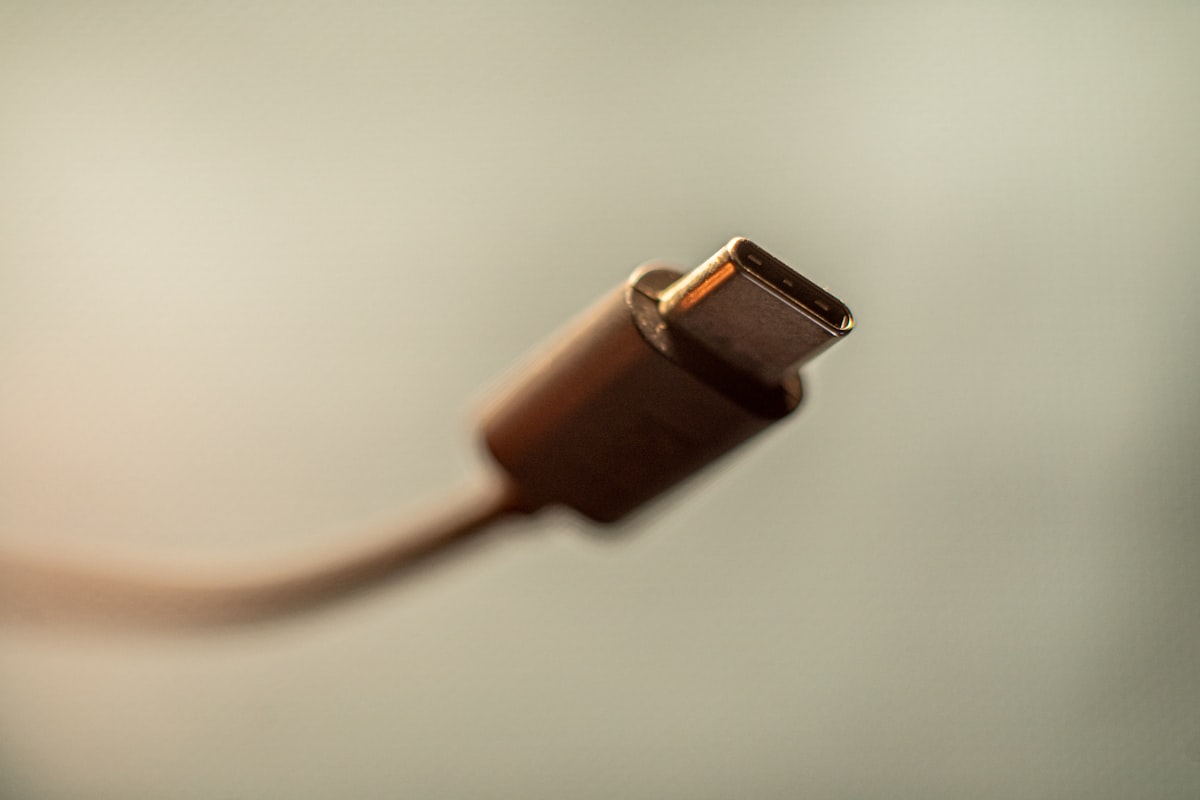
The most overlooked sustainability move in travel: stop bringing a cable per device. The Anker 735 GaNPrime is a 65W wall charger the size of a chess pawn that charges a MacBook, an iPhone, and a Garmin simultaneously through three USB-C ports. One cable, one charger, one universal adapter, and you’ve replaced what used to be a ziploc bag of tangled cords.
Why this matters: every traveler has a graveyard of charging cables in their drawer. Each cable is copper, lithium-rich solder, and PVC insulation, and it took emissions to manufacture and ship. Reducing five cables to one cable, repeated across every trip you take, adds up.
Pair it with an EPICKA universal travel adapter ($25) that supports 150+ countries and has 4 USB ports built in. Total cable+adapter footprint: about the size of a paperback book. Replaces a tangle that used to fill a quarter of my backpack.
Photography: Peak Design Travel Tripod (Carbon)
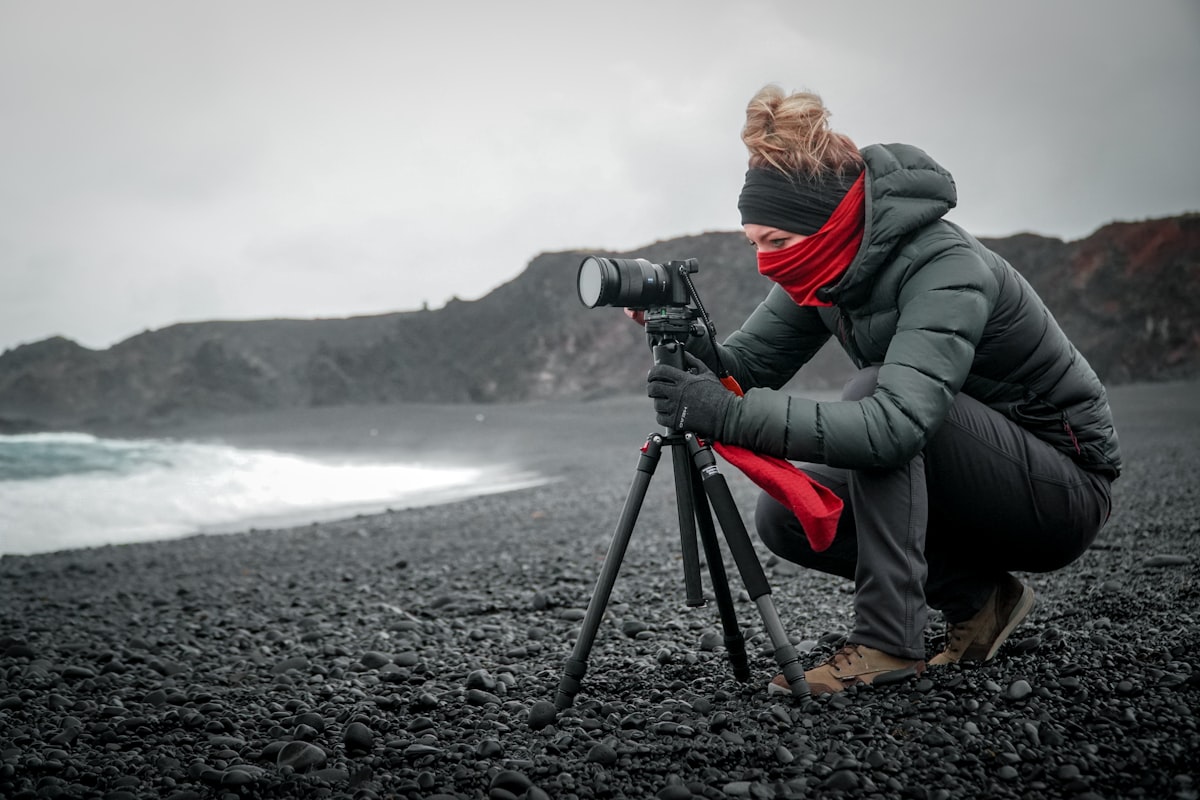
For photography-driven trips — Northern Lights chasing in Iceland, eclipse 2027, Antarctic Peninsula long exposures — a real tripod matters. Peak Design’s Travel Tripod (carbon version) collapses to the size of a water bottle, weighs 2.8 lbs, and supports a full DSLR with a long lens. It’s made from carbon fiber (lightweight, durable for decades) with anodized aluminum hardware (recyclable at end of life), and Peak Design has a parts replacement program for individual components — you’re not throwing away the whole tripod when one foot wears out.
Why carbon: carbon fiber tripods last 20+ years with light maintenance. Aluminum tripods last 10. Plastic tripods belong in a thrift shop.
Personal Care: Ethique Solid Shampoo + Conditioner Bars
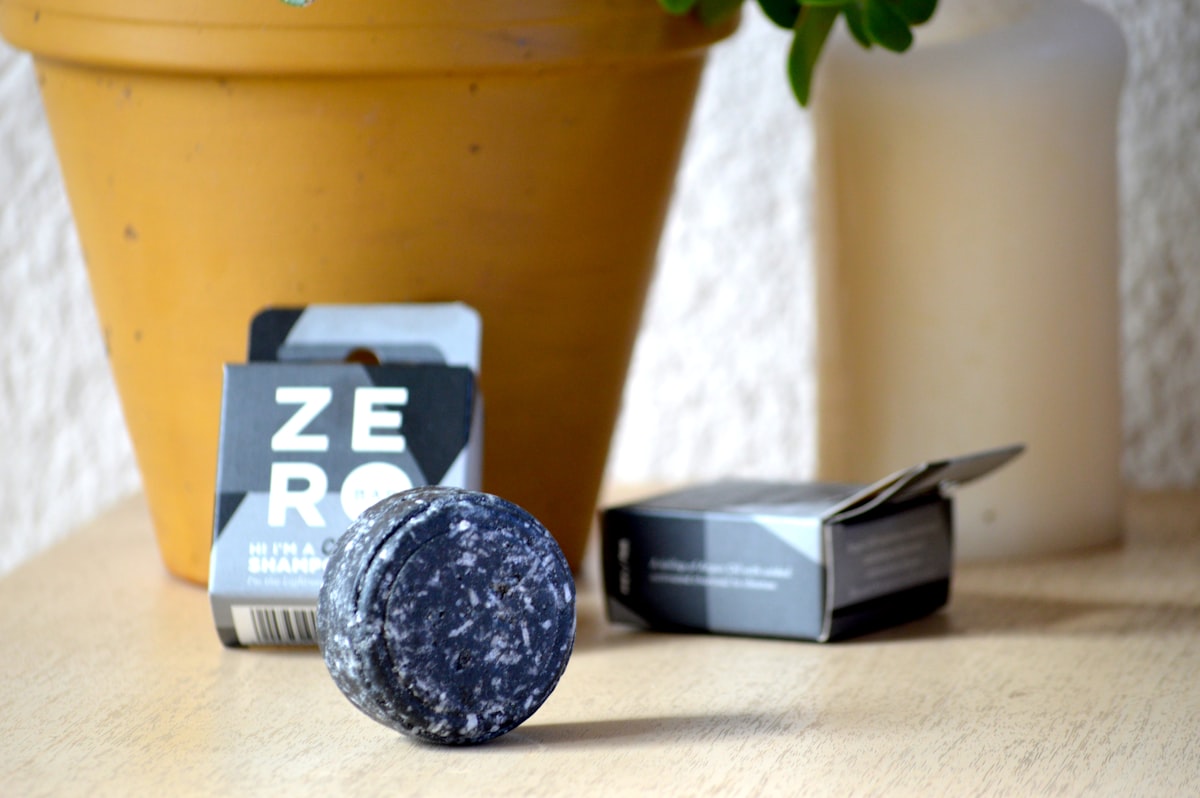
The sustainability story for solid bars is real: a single Ethique bar replaces three to four bottles of liquid product. No 100ml liquid limits to navigate at security. No leaks in your dopp kit. Ethique uses fully biodegradable cardboard packaging — the entire product, package included, leaves zero plastic in the world.
The premium-traveler concern with solid bars used to be that they performed badly compared to salon-grade liquids. Ethique closed that gap. Their “Heali Kiwi” anti-dandruff bar and their “St. Clements” body wash bar are both used by professionals. I haven’t traveled with liquid shampoo in five years.
Pair with: a small linen pouch instead of plastic toiletry bags. Bamboo-fabric is fine but linen lasts longer and dries faster after wet packing.
What I Don’t Bring (and Why)
Worth saying explicitly because the absence is the point.
- Smart luggage with built-in batteries. Most airlines now require lithium battery removal at check-in, the locks fail, and the trackers stop working in a couple years. A regular bag plus an Apple AirTag or Tile is more sustainable, more reliable, and cheaper.
- Travel-sized everything. Buying mini-versions of products you already own is just paying double for plastic. Refillable 100ml silicone bottles (Cadence is the premium pick) cover liquids; solid bars cover the rest.
- Disposable packing cubes. The “compression bags” sold at airports use single-use plastic that fails after 2-3 trips. Eagle Creek Pack-It cubes are made from recycled bottle fiber and last 10+ years.
- External hard drives for “backup” you’ll never use. A reliable cloud backup (Backblaze, Arq) eliminates the device. If you need physical backup, one quality SSD outlasts a stack of cheap hard drives.
The Calculation Is Always: How Many Times Will I Use This?
Sustainable travel gear isn’t about having a particular brand or material on your packing list. It’s about the math of replacement. A piece of gear that costs $200 and lasts ten years and replaces 50 disposable items is materially better than a piece that costs $20 and lasts a year, regardless of what’s on the box.
If you’re heading somewhere remote — Antarctica, the Galápagos, African safari, Iceland — and want a packing list calibrated to your specific itinerary and bag constraints, reach out. I keep updated lists for every major destination type and we’ll work through what you actually need versus what the gear-influencer industrial complex tells you to buy.